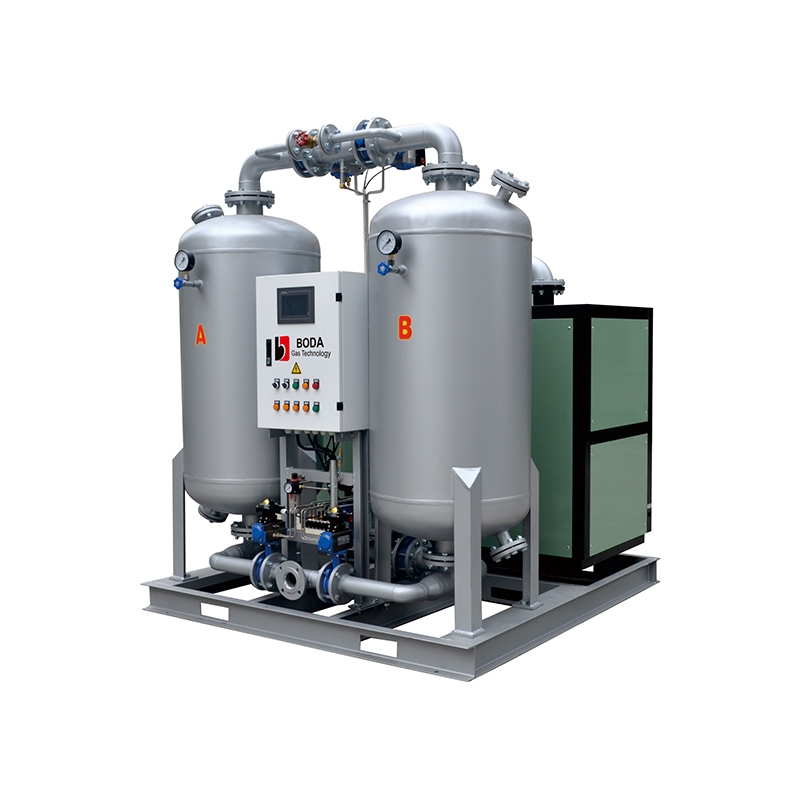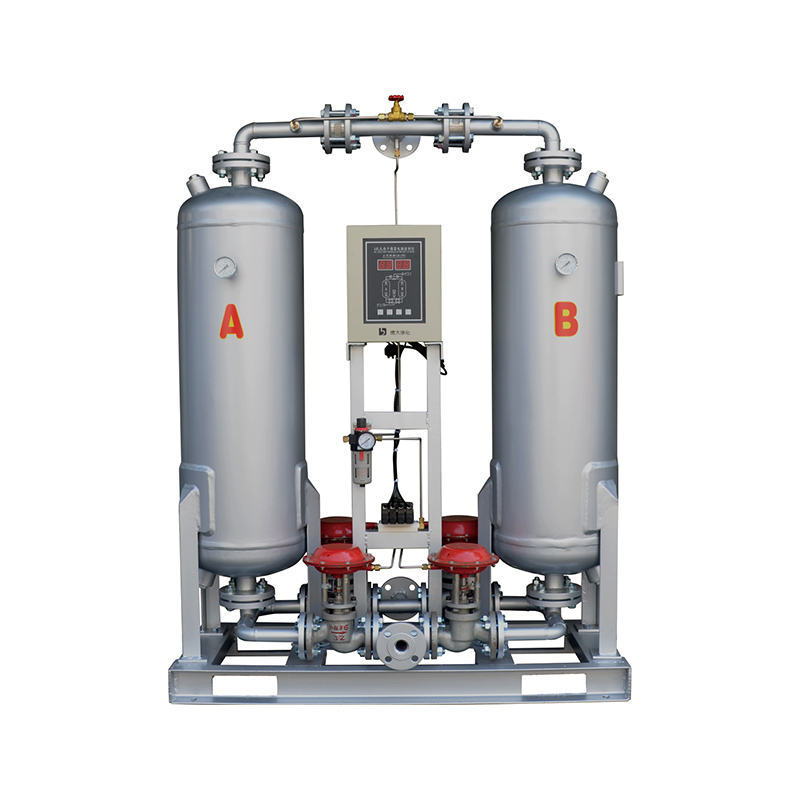
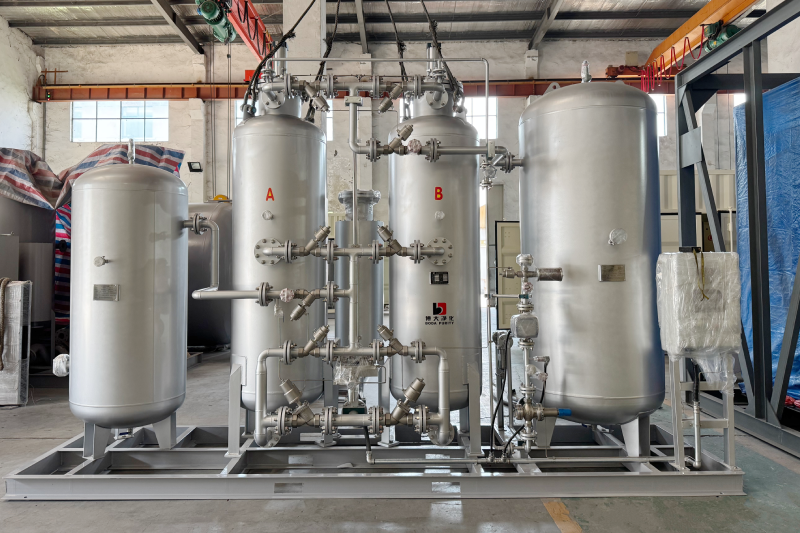
PSA nitrogen generators are designed around a specific nitrogen purity and flow rate. By adjusting adsorption cycles or using dual-, quad-, or six-tower configurations, flow and purity can be optimized while providing backup capacity.
Although a single NitrogenGenerator can operate across a wide range of purity and flow settings, doing so is often inefficient. Excessive adjustment increases Compressed Air consumption, electricity usage, equipment wear, and maintenance costs, reducing overall EnergyEfficiency and increasing the total cost of ownership.
So how should Nitrogenpurity be selected? In most cases, the required purity can be determined according to the application. Different industries tolerate different oxygen levels, making application-based selection the most economical approach.
Why Is Nitrogen Purity Important?
Nitrogen purity directly affects operational efficiency, product quality, production safety, and operating costs. In a PSA nitrogen plant, purity refers to the percentage of nitrogen in the final gas stream, with the remaining fraction consisting primarily of oxygen and trace gases. Different industries have very different purity requirements. Some applications can tolerate a relatively high oxygen concentration without affecting performance, while others require extremely low oxygen levels to prevent oxidation, contamination, or product degradation.
The goal of selecting the correct N2purity is not simply to achieve the highest possible purity. Instead, it is to balance process requirements with cost-effectiveness. Choosing insufficient purity can result in product defects, safety concerns, or reduced equipment performance. Conversely, specifying a purity level that exceeds the actual requirements unnecessarily increases operating expenses. Modern PSA technology allows users to precisely match nitrogen purity to process demands, helping improve production reliability while maintaining excellent EnergyEfficiency. Whether the application involves food packaging, chemical storage, laser cutting, or pharmaceutical manufacturing, selecting the suitable purity ensures stable operations and optimized costs.
1. Nitrogen Purity 95% – Pressure Testing and Tire Inflation
Nitrogen with a purity of approximately 95% is commonly used for pressure testing, leak detection, and tire inflation applications. In these situations, the primary requirement is dry, stable gas rather than ultra-high-purity nitrogen. Compared with compressed air, nitrogen minimizes moisture-related corrosion and pressure fluctuations.
For tire inflation, nitrogen helps maintain more stable tire pressure over long periods because nitrogen molecules diffuse more slowly than oxygen molecules. This contributes to improved fuel efficiency, tire life, and vehicle safety. For pressure testing applications, 95% nitrogen provides a safe and economical testing medium for pipelines, vessels, and industrial equipment. Since less oxygen removal is required, the NitrogenGenerator consumes less energy and requires a smaller volume of IndustrialAir, making this purity level one of the most cost-effective operating points for a PSA system.
2. Nitrogen Purity 96%–99.9% – Fire Prevention and Product Blanketing
Purity levels between 96% and 99.9% are widely used for fire prevention, explosion protection, chemical storage, and food preservation. In fire prevention systems, nitrogen displaces oxygen from enclosed spaces and storage tanks, reducing the risk of combustion. This approach is commonly used in petrochemical facilities, fuel storage terminals, and manufacturing plants handling flammable materials.
Food and beverage producers frequently use nitrogen blanketing to extend product shelf life. By reducing oxygen exposure, nitrogen helps preserve flavor, color, aroma, and freshness. Products such as coffee, snacks, edible oils, beverages, and dairy products benefit significantly from nitrogen blanketing. At these purity levels, a PSANitrogenPlant can deliver reliable performance with excellent EnergyEfficiency. Many companies choose this purity range because it provides sufficient protection while avoiding the additional costs associated with ultra-high-purity nitrogen production.
3. Nitrogen Purity 95%–99.9% – Chemical Blanketing
Chemical blanketing applications often operate across a broad purity range between 95% and 99.9%, depending on the sensitivity of the stored materials. The purpose of chemical blanketing is to create an inert atmosphere that prevents oxidation, moisture absorption, contamination, and hazardous reactions between stored products and atmospheric oxygen.
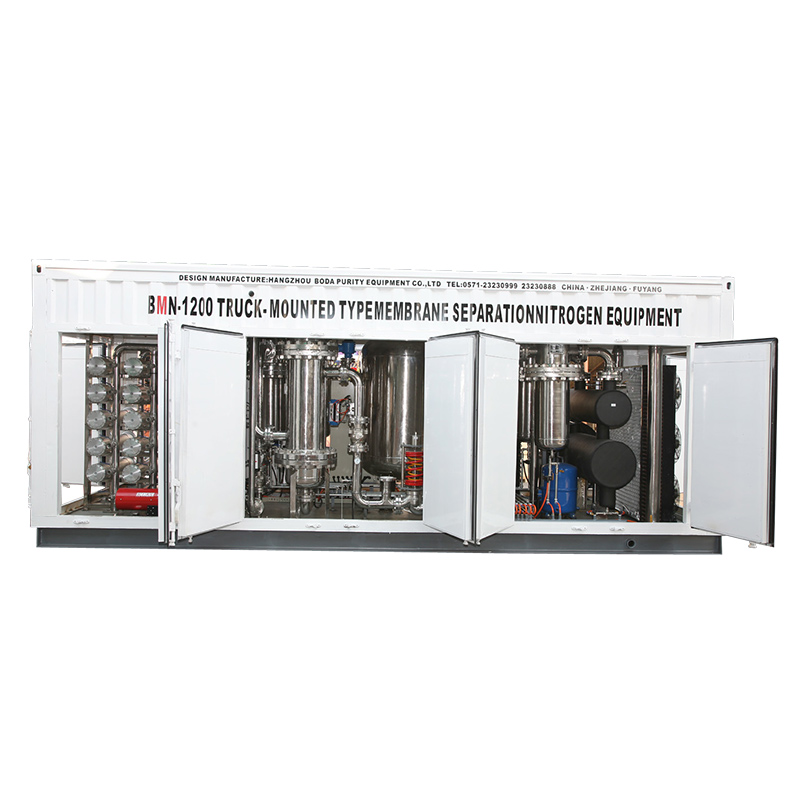
Many chemicals, solvents, fuels, and specialty products remain stable when exposed to only small residual oxygen concentrations. In these cases, selecting the appropriate N2purity can significantly reduce operating costs without compromising safety. A properly designed ContainerizedNitrogenPlant or skid-mounted PSA system can continuously provide the required nitrogen supply directly at the point of use. This eliminates dependence on delivered gas cylinders while improving reliability and reducing transportation expenses. The flexibility of PSA technology makes it particularly suitable for industrial blanketing applications requiring variable flow rates and continuous operation.
4. Nitrogen Purity 99%–99.995% – Food Processing Applications
Food processing and packaging operations commonly require nitrogen purity levels ranging from 99% to 99.995%. High-purity nitrogen is used to create modified atmospheres that protect products from oxidation and moisture exposure. This helps maintain product quality throughout transportation and storage.
Applications include snack food packaging, coffee processing, dairy production, edible oil storage, beverage manufacturing, and frozen food preservation. High-purity nitrogen can significantly extend shelf life while preserving flavor, texture, appearance, and nutritional value. Modern PSA systems equipped with advanced carbon molecular sieve technology provide an economical alternative to liquid nitrogen delivery. Combined with high-performance dryers, filters, and efficient compressors, these systems ensure stable nitrogen quality while maintaining excellent operational efficiency. For many food producers, a dedicated on-site NitrogenGenerator offers both economic and operational advantages.
5. Nitrogen Purity 99.99%–99.999% – Welding, Laser Cutting, and Biopharmaceuticals
Applications such as laser cutting, precision welding, electronics manufacturing, semiconductor production, and biopharmaceutical processing require nitrogen purity levels between 99.99% and 99.999%. In these industries, even trace amounts of oxygen can negatively affect product quality and process consistency.
Laser cutting systems use high-purity nitrogen to prevent oxidation along cut edges and improve surface quality. Welding operations benefit from cleaner welds and reduced discoloration. Biopharmaceutical facilities rely on ultra-high-purity nitrogen to protect sensitive products from contamination and degradation. Semiconductor manufacturers use nitrogen to maintain controlled atmospheres throughout production processes. These applications often employ advanced PSA systems combined with purification stages to achieve extremely low oxygen concentrations. While the energy requirements are higher, the resulting improvements in product quality and process reliability justify the investment for these high-value industries.
What Is the Cost of Excessive Purity?
Many industrial users assume that selecting the highest possible nitrogen purity automatically delivers the best results. However, this assumption can lead to substantial unnecessary expenses. The relationship between nitrogen purity and operating cost is not linear. As purity requirements increase, the cost of producing each additional increment of purity rises exponentially.
The largest energy consumer in a PSANitrogenPlant is typically the air compressor system. Whether using standard industrial compressors or advanced AtlasCopco units equipped with VSD technology, energy consumption increases as oxygen concentration decreases. The PSA process must handle larger volumes of compressed air, extend adsorption cycles, or increase system loading to remove the final traces of oxygen.
For example, moving from 99% purity to 99.9% purity requires additional energy. Increasing purity from 99.9% to 99.999% requires significantly more effort, resulting in higher electricity consumption, larger air treatment equipment, increased maintenance, and greater operational complexity. Selecting only the purity actually required by the application is one of the most effective ways to improve profitability while maintaining performance.
What Factors Affect Nitrogen Purity Stability?
Stable nitrogen purity depends on several operating conditions. Even a well-designed NitrogenGenerator can experience purity fluctuations if critical parameters are not properly controlled.
Operating Pressure: A pressure range of 7.5–9.5 bar generally provides optimal separation efficiency and stable nitrogen production.
Temperature: Both feed air temperature and ambient temperature affect adsorption performance. Excessive temperatures can reduce separation efficiency and impact purity.
Flow Rate: Sudden changes in nitrogen demand can influence adsorption performance. Proper flow management helps maintain stable N2purity.
Feed Air Quality: Clean compressed air is essential. Moisture, oil, and particulates must be removed using dryers and filtration systems before entering the PSA unit.
Valve Performance: Correct valve positioning and reliable operation are necessary to maintain proper pressure balance and gas flow throughout the system.
Maintenance and Calibration: Routine inspection, calibration, and preventive maintenance ensure consistent purity levels and long-term equipment reliability. Regular servicing of molecular sieves, sensors, dryers, filters, and compressors helps maintain system performance.
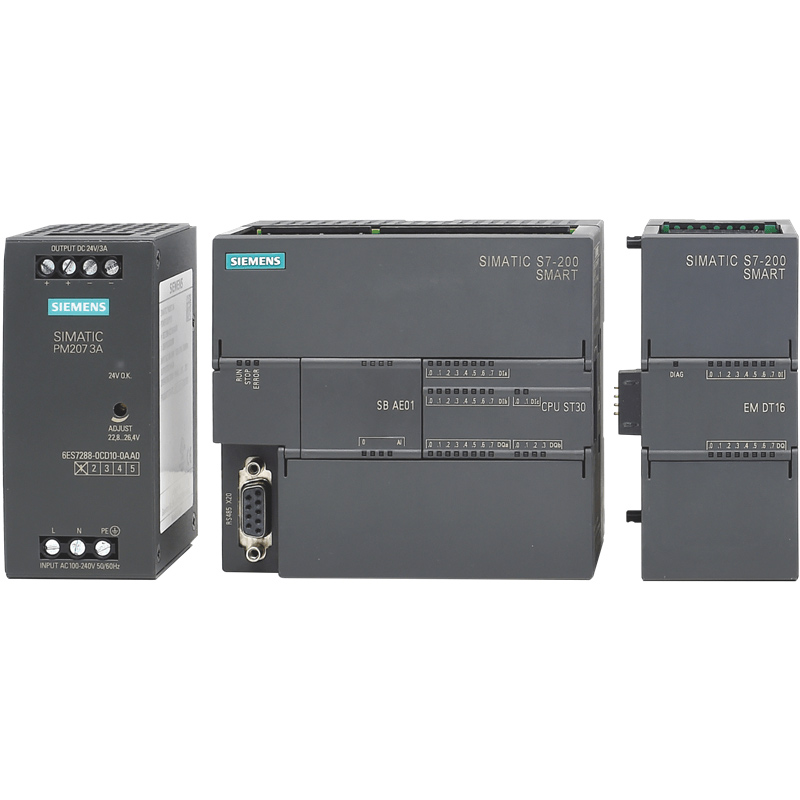
Advanced PSA systems used in modern Manufacturing facilities often incorporate remote monitoring, intelligent controls, and optimized airflow distribution to further improve purity stability and operational efficiency.
Conclusion: Selecting application-specific nitrogen purity maximizes performance, reduces operating costs, and delivers long-term process reliability.