The primary purpose of filling food packaging with nitrogen is to displace oxygen and create a low-oxygen environment that slows oxidation, inhibits spoilage, and protects food quality.
Food packaging factories face constant pressure to extend shelf life while preserving freshness. If spoilage, moisture absorption, discoloration, and flavor loss are not effectively controlled, product quality declines and market value decreases, resulting in lower profitability throughout the supply chain.
The use of nitrogen in food packaging, edible oil preservation, food processing, and food storage is one of the most effective methods for delaying spoilage and extending shelf life. This article explains how food-grade nitrogen improves efficiency in food and beverage manufacturing.
1. How Do Nitrogen Generators Help Extend Shelf Life?
One of the biggest challenges in the food industry is preventing oxygen from damaging products during storage and transportation. Oxygen promotes oxidation, microbial growth, color degradation, flavor loss, and rancidity. By replacing oxygen with nitrogen, manufacturers can create a protective atmosphere that significantly slows these deterioration processes.
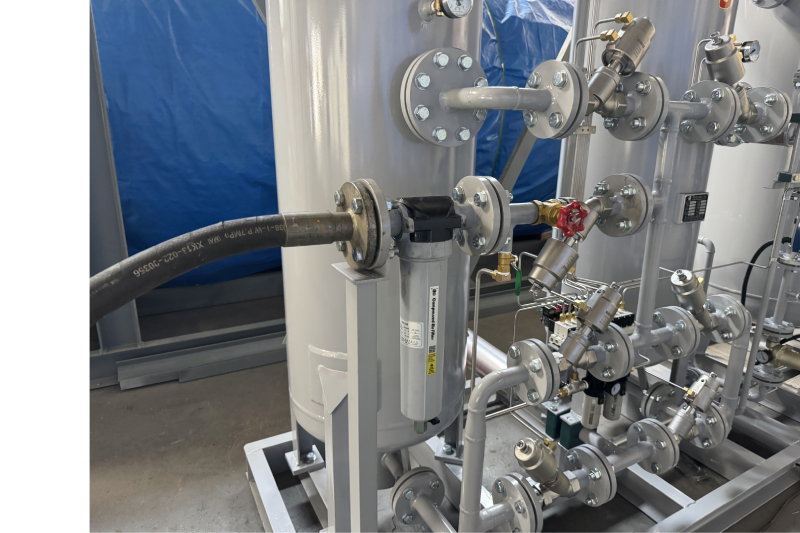
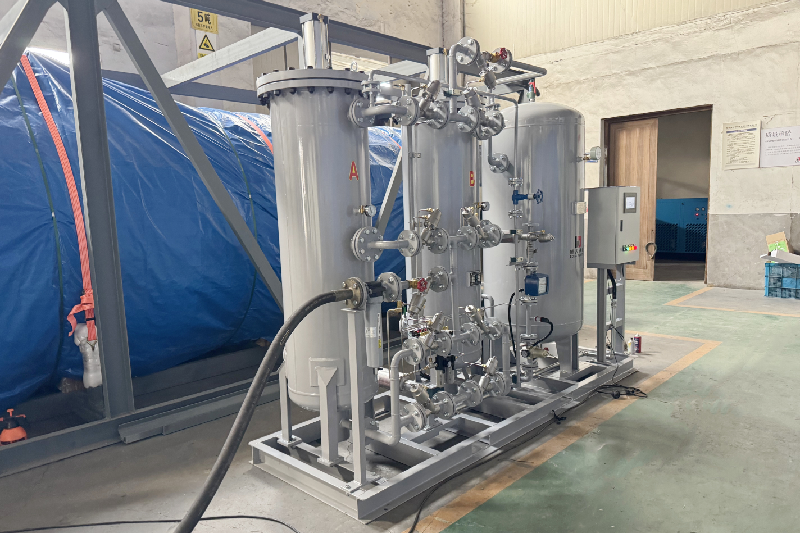
A modern nitrogen generator for food industry applications produces nitrogen on demand from compressed air. The generated nitrogen is then introduced into packaging lines, storage tanks, or processing systems. Because nitrogen is an inert gas, it does not react with food products, making it ideal for preserving quality and freshness.
Many snack foods, coffee products, dairy products, nuts, powdered ingredients, and edible oils benefit from nitrogen protection. Food manufacturers using a nitrogen generator for food packaging often experience reduced product waste, fewer customer complaints, and longer distribution periods. In competitive markets, extending shelf life by even a few weeks can generate substantial financial benefits. A reliable nitrogen generator system therefore becomes a valuable asset for maintaining product quality while reducing operating costs.
2. What Is Nitrogen Packaging?
Nitrogen food packaging refers to the process of replacing oxygen inside a package with nitrogen before sealing. The goal is to create an environment where oxidation and microbial activity are minimized. This technique is commonly used in modified atmosphere packaging (MAP) systems throughout the food industry.
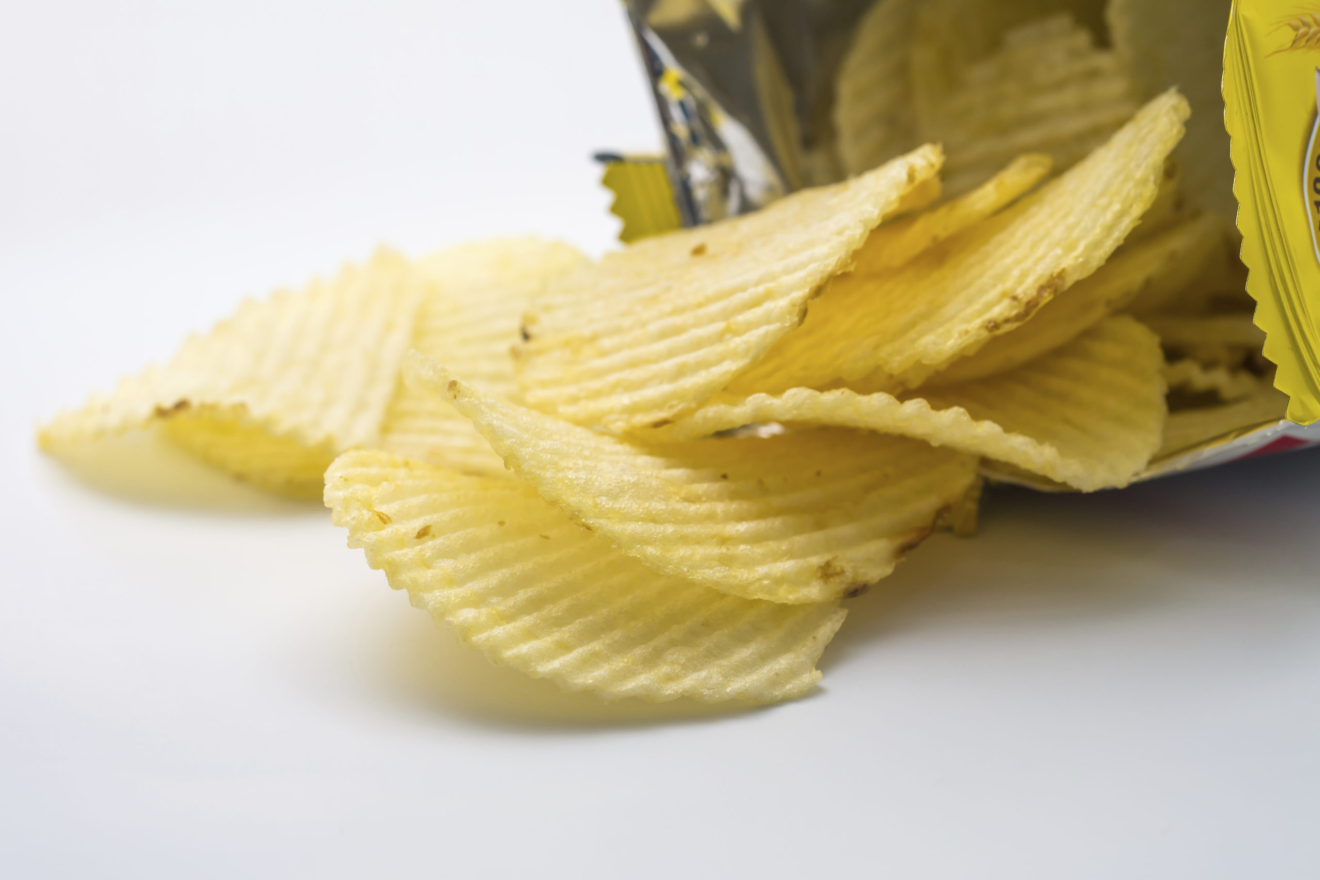
Many consumers encounter food with nitrogen every day without realizing it. Potato chips, roasted coffee, dried fruits, nuts, powdered milk, spices, baked goods, and processed snacks are frequently packaged using nitrogen. The nitrogen helps maintain the product’s original texture, flavor, aroma, and appearance.
Unlike oxygen, nitrogen is non-reactive and does not contribute to spoilage. By reducing oxygen concentration inside the package, manufacturers can significantly improve shelf life while maintaining product integrity. This process has become a standard practice in modern food manufacturing because it offers an effective and economical way to protect products throughout transportation, storage, and retail distribution. As a result, nitrogen food packaging continues to gain popularity among food processors worldwide.
3. How Do Nitrogen Packaging Systems Work?
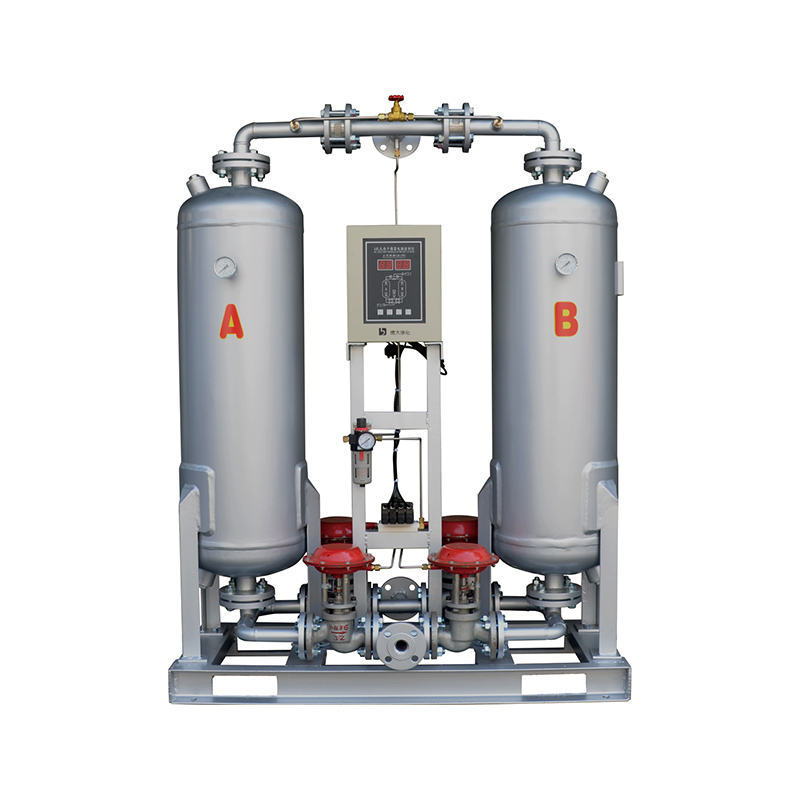
A nitrogen packaging system begins with a source of food-grade nitrogen. Many facilities now use an on-site nitrogen gas generation system rather than relying on delivered cylinders or liquid nitrogen. The nitrogen is generated directly from compressed air using Pressure Swing Adsorption (PSA) technology.
The generated nitrogen is routed to packaging equipment where oxygen is displaced from containers, bags, bottles, or storage vessels. In some systems, nitrogen is flushed into the package before sealing. In others, vacuum technology removes most of the air before nitrogen is introduced. Both methods reduce oxygen levels and create a protective atmosphere.
The effectiveness of the process depends on nitrogen purity, package design, product characteristics, and sealing quality. A properly designed nitrogen generator unit ensures a continuous supply of nitrogen that meets production requirements. Modern food factories often integrate nitrogen generation directly into automated packaging lines, allowing consistent product quality and improved production efficiency. This integration also reduces dependence on external gas suppliers and improves operational flexibility.
4. How Can Food-Grade Nitrogen Be Obtained?
Food-grade nitrogen can be obtained through several methods, including high-pressure gas cylinders, liquid nitrogen deliveries, and on-site nitrogen generation. While cylinders and bulk liquid storage have traditionally been used, many food manufacturers are transitioning to on-site production because of its economic and operational advantages.
A dedicated nitrogen generator for food packaging produces nitrogen directly from ambient air. Since atmospheric air contains approximately 78% nitrogen, PSA technology can efficiently separate nitrogen from oxygen and other gases. The resulting nitrogen can achieve purity levels suitable for most food packaging applications.
On-site generation eliminates concerns about gas delivery schedules, transportation costs, cylinder handling, and storage limitations. It also provides a consistent supply that scales with production demand. Whether using a small nitrogen generator for a specialized packaging line or a large industrial system for high-volume production, food manufacturers can maintain full control over their nitrogen supply. This level of independence improves reliability and helps stabilize long-term operating costs.
5. Why Choose an On-Site Nitrogen Generator for Food Packaging?
An on-site nitrogen generation system offers significant advantages compared with traditional gas supply methods. First, it provides a continuous and reliable source of nitrogen whenever production requires it. This eliminates the risk of production interruptions caused by delayed gas deliveries or depleted cylinder inventories.
Second, a nitrogen generator for food industry applications reduces operating expenses over time. Instead of repeatedly purchasing nitrogen from external suppliers, manufacturers generate nitrogen from readily available compressed air. This lowers transportation costs, handling expenses, and supplier dependency.
Third, on-site generation improves process control. Food manufacturers can adjust nitrogen production to match changing packaging requirements while maintaining consistent quality standards. Whether installed as a standalone system or integrated into a complete production facility, modern nitrogen generators for food packaging applications provide excellent reliability and efficiency.
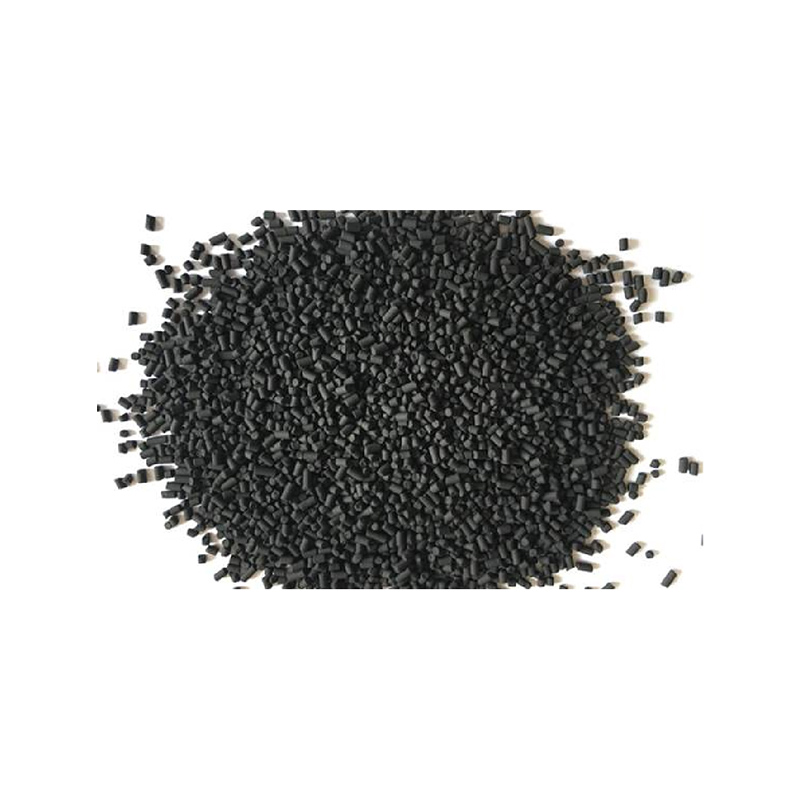
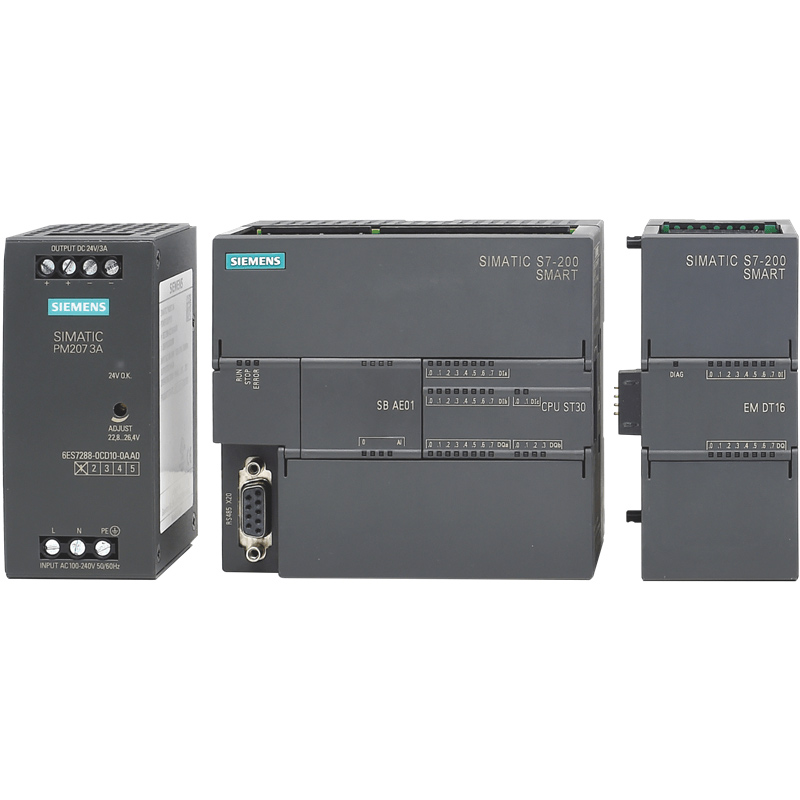
BODA GAS PSA nitrogen generators are specifically designed for demanding food industry environments. Featuring advanced carbon molecular sieve technology, optimized airflow distribution, intelligent control systems, and energy-efficient operation, they provide stable food-grade nitrogen for packaging, edible oil preservation, food processing, and storage applications.
In addition, BODA GAS offers customized solutions ranging from compact small nitrogen generator models to large-scale industrial systems. Available as skid-mounted units or containerized installations, these solutions help food manufacturers improve productivity, reduce operating costs, and achieve long-term reliability.
Conclusion: BODA GAS PSA nitrogen generators provide reliable food-grade nitrogen, extending shelf life while reducing packaging and operating costs.
If you are looking for a cost-effective solution for your food processing business, BODA GAS can assist you(Email: bodagas2002@gmail.com)