Choosing a nitrogen gas supplier is not simply a price comparison. A weak Supplier can create delayed deliveries, unstable gas quality, unexpected maintenance costs, and serious supply chain risk. For distributors and industrial buyers, these problems can quickly become production interruptions, customer complaints, or costly emergency purchases. The pressure becomes greater when projects require specific purity, pressure, dew point, electrical standards, or export documentation. If the equipment manufacturer cannot control design, production, testing, logistics, and after-sales support, the buyer carries the commercial risk. The solution is to work with a proven Manufacturer that can provide technical consistency, documented quality control, compliance certificates, customizable configurations, and long-term service. BODA GAS is built around this integrated approach.
A qualified nitrogen equipment supplier should combine proven manufacturing experience, engineering capability, documented quality management, project-specific customization, factory testing, export experience, and reliable after-sales support. BODA GAS provides integrated nitrogen generation and air-treatment solutions from design and manufacturing through commissioning, training, spare parts, and long-term service.
But what separates a factory that can sell equipment from a strategic industrial partner? The answer is hidden in the details buyers often overlook: engineering margins, component control, audit checkpoints, documentation, total cost of ownership, export compliance, and after-sales responsibility. Here is what experienced buyers should examine.
Why Choose BODA GAS as Your Nitrogen Gas Supplier?
For a professional buyer, the most important question is not simply, “Can this company manufacture a nitrogen generator?” The better question is, “Can this company reliably deliver the complete result I need?” BODA GAS, operated by Hangzhou Boda Purity Equipment Co., Ltd., has focused on air separation and compressed-air purification since 2002. Its capabilities cover engineering design, manufacturing, testing, sales, commissioning, training, and technical service. The company profile states that it operates more than 30,000 square meters of standardized owned production facilities and has served more than 2,500 customers.
This matters because industrial nitrogen projects involve multiple interconnected procurement decisions. The nitrogen generator depends on compressed-air quality; compressed-air quality depends on filtration and drying; gas purity depends on process design and operating conditions; and long-term reliability depends on controls, valves, adsorbent management, maintenance, and spare parts.
- Manufacturer rather than a pure trading intermediary.
- Integrated PSA nitrogen, oxygen, purification, drying, filtration, and control solutions.
- More than two decades of specialized industry experience.
- Customizable independent, skid-mounted, containerized, mobile, and complete gas-station configurations.
- Support for international technical requirements such as CE, ATEX, ASME, TR‑CU, and specified communication protocols when applicable to the project.
- Factory inspection and testing before shipment.
For distributors, this integrated capability can also reduce the number of separate vendors that must be coordinated during procurement.
Why Buy Directly from a Manufacturer Instead of a Trading Company?
One of the most important procurement decisions is identifying who actually controls the equipment. A trading company may provide a competitive quotation, but buyers should establish whether the company controls engineering, production, testing, spare parts, and technical support.
With BODA GAS, the company profile describes an integrated manufacturing structure covering R&D, engineering, production, assembly, testing, sales, commissioning, and after-sales service. This gives an overseas buyer a clearer procurement chain and a more direct technical communication channel.
For an importer or engineering distributor, direct factory cooperation can provide several commercial advantages:
- Technical specifications can be discussed directly with engineering personnel.
- Equipment configurations can be adapted to local project conditions.
- Critical components and spare parts can be identified before purchase.
- Factory Acceptance Testing (FAT) requirements can be agreed before shipment.
- Warranty responsibilities can be defined directly in the technical agreement and contract.
- Future upgrades and replacement parts can be managed through the original Manufacturer.
This is especially important for buyers who intend to resell nitrogen generators. Your reputation ultimately depends on the performance of the equipment installed at your customer’s site. A low purchase price is not a competitive advantage if it creates expensive after-sales risk.
Why Choose nitrogen pressure swing adsorption Technology?
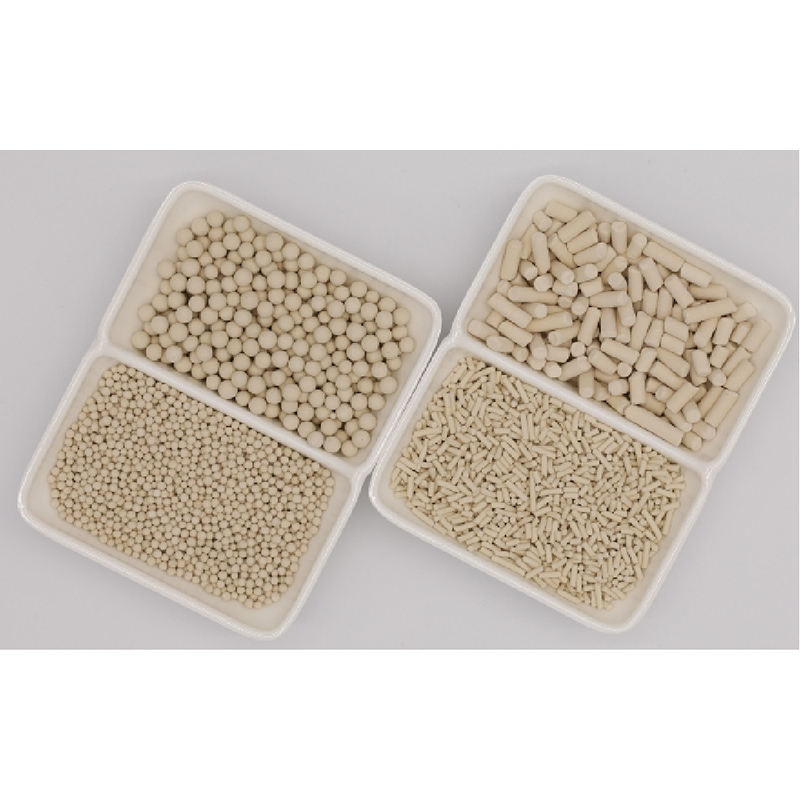
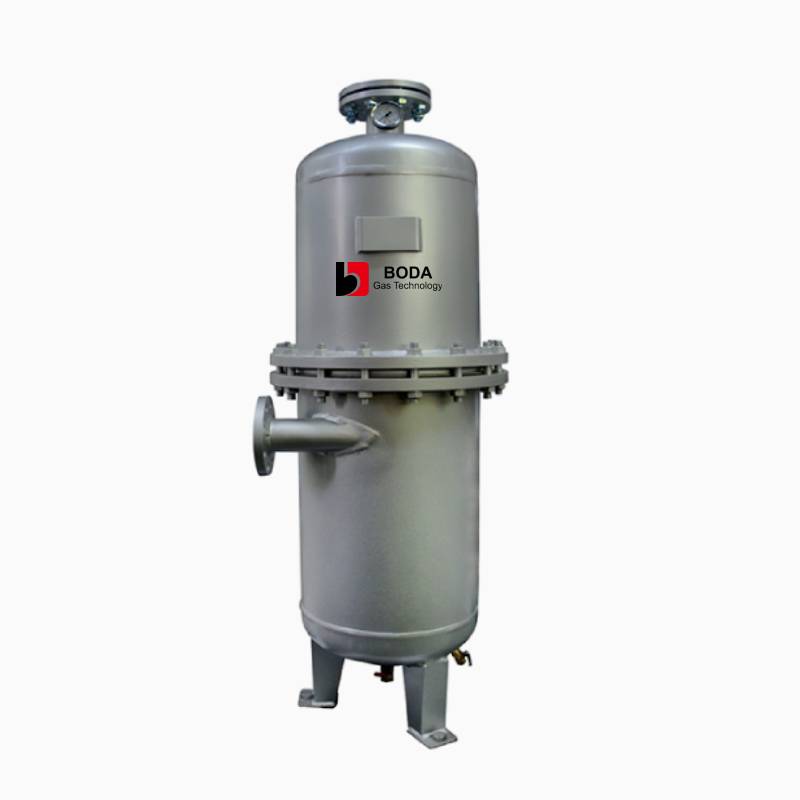
For many continuous industrial applications, nitrogen pressure swing adsorption is an effective method for generating nitrogen directly at the point of consumption. BODA GAS’s PSA nitrogen systems use carbon molecular sieve and alternating adsorption and regeneration cycles to separate nitrogen from compressed air. The published product range covers nitrogen flows from 1 to 3,000 Nm³/h, nitrogen purity from 95% to 99.999%, and outlet pressure from 0.1 to 1.15 MPa, depending on configuration.
The commercial value of PSA is not simply the generation process itself. It can reduce dependence on cylinder deliveries, liquid nitrogen transportation, storage management, and external gas scheduling for customers with stable consumption. However, professional procurement requires a lifecycle calculation rather than a simple equipment-price comparison.
| Selection Factor | BODA GAS Published Range / Option | Procurement Significance |
|---|---|---|
| Nitrogen flow | 1–3,000 Nm³/h | Match normal, peak, and future demand |
| Nitrogen purity | 95%–99.999% | Define process-specific quality requirements |
| Outlet pressure | 0.1–1.15 MPa | Check end-user pressure and pressure losses |
| Dew point | -20°C to -60°C | Confirm moisture requirements before quotation |
Actual project performance must always be verified against the customer’s flow, purity, pressure, dew point, environmental conditions, and applicable standards.
Why Is Engineering-Based Selection More Important Than Buying by Flow Rate?
An experienced buyer knows that “1,000 Nm³/h nitrogen generator” is not enough information to make a reliable purchase decision. Two systems with the same nominal capacity can have different compressed-air consumption, operating pressure, purity, dew point, control philosophy, component specifications, and energy performance.
BODA GAS’s selection approach considers the actual operating conditions instead of relying only on nominal flow. The company profile identifies five central selection parameters: gas flow, gas purity, outlet pressure, dew point, and site environment or applicable standards.
- Define the nitrogen application and required gas quality.
- Calculate normal and peak consumption.
- Consider future production expansion.
- Confirm required outlet and terminal pressure.
- Define dew point and impurity limits.
- Evaluate altitude, temperature, humidity, dust, and installation conditions.
- Confirm electrical power, voltage, frequency, communication, and safety requirements.
- Review applicable compliance certificates and project standards.
This process helps avoid two common commercial risks: oversizing, which can increase capital and energy costs, and undersizing, which can create insufficient nitrogen supply during peak demand. For distributors, engineering-based selection also makes your quotation more credible because the proposal can be linked to a documented application rather than a generic catalogue.
Why Is Quality Control a Critical Supplier Audit Point?
In nitrogen generation equipment, some of the most important quality factors are not visible after final assembly. Adsorbent quality, filling density, airflow distribution, valve performance, filtration quality, piping workmanship, control logic, and protection systems can all influence long-term operation.
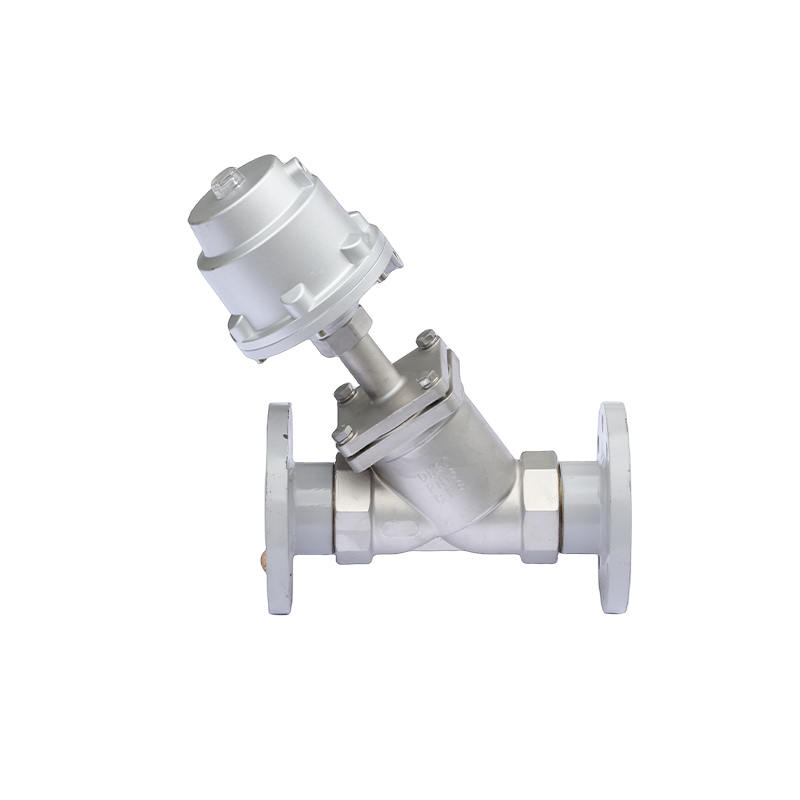
BODA GAS states that each incoming batch of molecular sieve is tested rather than simply relying on theoretical supplier data. The company also describes controlled molecular-sieve filling, automatic compression, settlement monitoring, front-end oil removal, optimized tower airflow distribution, and mature-brand critical components.
From a procurement perspective, buyers should create clear audit checkpoints before production starts:
- Incoming Quality Control (IQC) for critical components and adsorbents.
- Verification of pressure-bearing parts and piping.
- Inspection of electrical and control components.
- Verification of assembly and internal adsorbent filling.
- Control-system logic and alarm verification.
- Performance testing for flow, purity, pressure, and dew point where specified.
- Factory Acceptance Test (FAT) before shipment.
- Review of inspection records and agreed technical documentation.
Where a project requires third-party inspection, ASME-related requirements, or specific standards, these should be clearly written into the Technical Agreement and contract before manufacturing begins.
Why Do Compliance Certificates and Documentation Matter?
For international B2B procurement, equipment quality and documentation quality are closely connected. A machine may be technically suitable but commercially difficult to import or approve if the required documentation was not defined at the beginning of the project.
BODA GAS’s company profile lists management and certification credentials including ISO 9001, ISO 14001, ISO 45001, ISO 13485, ASME-related qualifications, TR-CU, and pressure-pipeline-related qualifications. The same source clearly states that certificate validity and applicable product scope should be verified against the latest certificates.
That qualification is important for responsible procurement. Experienced buyers should never treat a certificate name alone as sufficient evidence. Instead, request the actual current document and verify:
- Certificate number and validity period.
- Legal entity named on the certificate.
- Applicable product or manufacturing scope.
- Required project standard and jurisdiction.
- Inspection and testing requirements.
- Material certificates and pressure-related documentation where applicable.
- Electrical and control documentation.
- Operating manuals, maintenance instructions, and spare-parts lists.
This approach reduces compliance risk, customs delays, approval problems, and disputes caused by unclear documentation responsibilities.
Why Choose a Customizable and OEM-Capable Supplier?
Industrial buyers rarely operate under identical conditions. A nitrogen generator for an indoor factory in Southeast Asia may have completely different requirements from a containerized oilfield system in a high-temperature region. Therefore, a reliable Supplier should be capable of adapting the equipment rather than forcing every customer into one standard configuration.
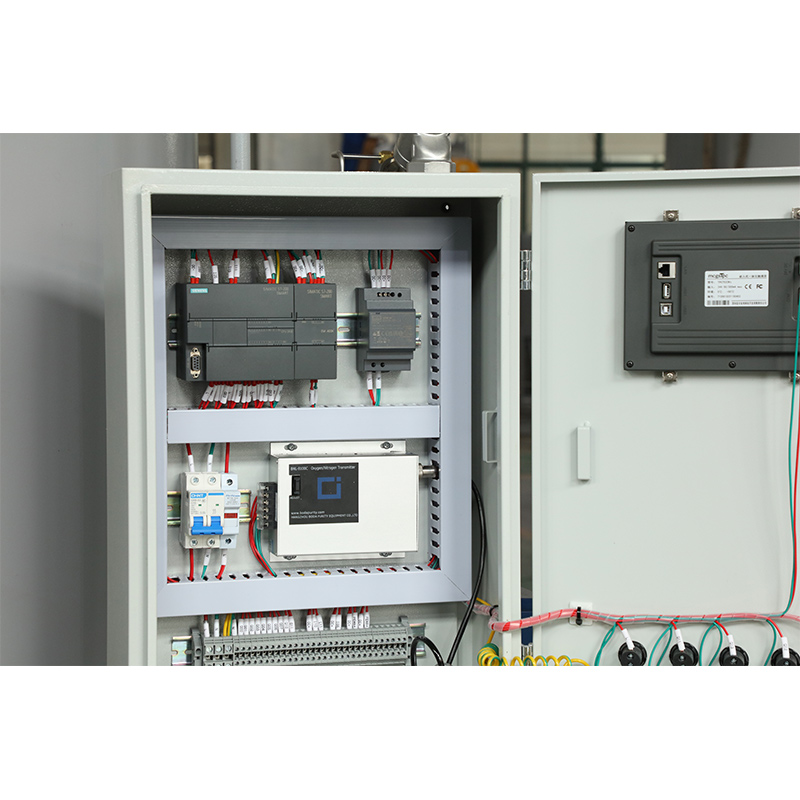
BODA GAS offers independent, skid-mounted, containerized, and mobile configurations, with customization options involving stainless steel construction, pressure requirements, remote monitoring, dew-point detection, energy-saving control, environmental monitoring, and industrial communication interfaces such as MODBUS, Ethernet, Profibus, and DCS integration.
For international distributors, OEM capability can also become a valuable commercial tool when the project requires private labeling or a customer-specific presentation. A Customizable equipment strategy allows buyers to address:
- Local voltage and frequency.
- Climate and installation environment.
- Containerized or skid-mounted logistics.
- Specific pressure requirements.
- Remote monitoring and communication architecture.
- Applicable ATEX, ASME, CE, or other project requirements.
- Branding and selected OEM requirements.
The key is to define customization in the technical agreement before production so that commercial expectations and engineering responsibilities remain aligned.
Why Does Total Cost of Ownership Matter More Than the Initial Equipment Price?
A professional purchasing department should evaluate the complete Total Cost of Ownership (TCO) rather than choosing the lowest initial quotation. The purchase price is only one component of the commercial equation. Energy consumption, compressed-air quality, adsorbent life, valve maintenance, spare parts, downtime, logistics, installation, and service can influence the real cost over years of operation.
BODA GAS specifically emphasizes balancing initial investment, energy consumption, maintenance, gas quality, and operational reliability. Its company profile also explains that the economic benefit of on-site gas generation depends on local gas prices, transportation conditions, operating hours, purity, and flow.
| TCO Category | Buyer Should Evaluate | Potential Risk if Ignored |
|---|---|---|
| Capital cost | Nitrogen or oxygen Generator, compressor, dryer, filters, storage, and controls | Budget overrun |
| Energy cost | Air consumption and operating hours | High operating cost |
| Maintenance | Valves, filters, adsorbent and instrumentation | Unplanned downtime |
| Logistics | Packaging, freight, installation and local handling | Delivery risk |
| Service | Remote support, commissioning and spare parts | After-sales risk |
A serious supplier should therefore help the buyer compare alternatives based on operating conditions instead of presenting only the cheapest machine.
Why Is After-Sales Service a Procurement Requirement, Not a Bonus?
For a nitrogen generator, the purchase is the beginning of the operating relationship. A buyer located thousands of kilometers from the factory needs clear technical support, spare-parts availability, troubleshooting procedures, commissioning assistance, and warranty conditions.
BODA GAS provides installation guidance, commissioning, operator training, maintenance information, spare parts, remote support, and long-term service. The company profile states that it provides a 24-hour hotline and describes a target of responding within one hour after receiving user feedback. It also describes a warranty framework of 12 months after commissioning acceptance or 18 months after arrival at site, whichever occurs first, subject to the final contract.
Before issuing a purchase order, procurement teams should confirm:
- Who is responsible for installation and commissioning?
- What is included in the warranty?
- Which failures are excluded because of incorrect operation?
- What spare parts should be purchased with the machine?
- What is the expected technical response process?
- Can remote troubleshooting be provided?
- Is on-site service available under agreed project conditions?
- How will software, PLC, instrumentation, and control-system issues be handled?
These questions reduce downtime risk and protect the buyer’s investment after the equipment has been commissioned.
Why Does Export Experience Reduce Procurement Risk?
Exporting industrial equipment requires more than putting a machine into a container. International delivery involves technical documentation, packaging, destination standards, electrical requirements, transport limitations, installation conditions, and communication between the factory, freight forwarder, importer, engineer, and end user.
BODA GAS’s business materials identify overseas markets including Saudi Arabia, Malaysia, India, Singapore, Tanzania, Libya, Russia, Turkmenistan, Pakistan, and Indonesia. The company states that it can adapt designs according to destination voltage, frequency, climate, installation environment, transportation method, and project standards.
For an overseas buyer, a professional export supply chain should include:
- Confirmed technical specification.
- Approved commercial quotation and Purchase Order (PO).
- Signed Technical Agreement.
- Manufacturing and inspection schedule.
- FAT or agreed factory inspection.
- Export-compliant packaging.
- Shipping and documentation coordination.
- Installation and commissioning support.
- Warranty and spare-parts management.
When these nodes are defined early, buyers have better visibility over the project and fewer opportunities for costly misunderstandings.
Why Is BODA GAS a Practical Choice for Distributors and Engineering Companies?
For an industrial distributor or EPC-oriented buyer, supplier selection should consider whether the factory can support the entire customer journey. BODA GAS has a product portfolio covering PSA nitrogen, PSA oxygen, membrane systems, nitrogen purification, air dryers, filtration, pressure boosting, monitoring, controls, and spare parts. This breadth can simplify vendor management because related equipment can be designed as one coordinated system.
Its published nitrogen solutions cover applications across oil and gas, chemicals, electronics, food and beverage, metallurgy, healthcare, water treatment, mining, energy, and other industrial sectors. The company also describes complete delivery models ranging from individual equipment to integrated gas stations.
For a distributor, the commercial benefits include:
- A single technical partner for multiple gas-generation requirements.
- Customizable solutions for different end users.
- Potential OEM and branding cooperation.
- Engineering support for customer quotations.
- Factory testing before shipment.
- Spare parts and long-term service support.
- Technical materials that can support project-level sales discussions.
The result is not simply a nitrogen generator purchase. It is a more structured B2B supply relationship designed to protect equipment performance, project delivery, and the distributor’s reputation.
How Should an International Buyer Audit BODA GAS Before Placing an Order?
Even when a supplier appears suitable, professional procurement should follow a structured Supplier Qualification process. The objective is not to create unnecessary paperwork but to identify potential commercial risk before money, production capacity, and project schedules are committed.
- Company audit: verify legal entity, manufacturing location, business scope, production capability, and relevant experience.
- Technical audit: confirm flow, purity, pressure, dew point, air consumption, controls, materials, and applicable standards.
- Quality audit: review ISO 9001 and other relevant certificates, quality procedures, inspection records, and testing capability.
- Production audit: understand how engineering, procurement, assembly, testing, and packaging are controlled.
- FAT audit: agree performance and inspection criteria before shipment.
- Documentation audit: confirm manuals, drawings, certificates, test records, spare-parts lists, and shipping documents.
- Service audit: define commissioning, warranty, technical response, spare parts, and escalation procedures.
- Commercial audit: confirm payment terms, delivery terms, packaging, shipping responsibilities, and contractual remedies.
BODA GAS’s company profile provides the underlying manufacturing, product, certification, testing, customization, and service information needed for this type of qualification process. Specific certificate validity, performance commitments, delivery schedules, and service conditions should always be verified against the latest documents and the final contract.
What Information Should You Send Before Requesting a Nitrogen Generator Quotation?
The fastest way to receive a technically meaningful quotation is to provide complete project data. A professional Manufacturer cannot responsibly select a system from flow rate alone.
- Gas type and end application.
- Normal and peak nitrogen consumption.
- Required nitrogen purity.
- Allowed oxygen, moisture, oil, particle, or other impurity limits.
- Required outlet pressure and terminal pressure.
- Required dew point.
- Site altitude, temperature, humidity, and dust conditions.
- Indoor, outdoor, hazardous-area, or containerized installation requirements.
- Power supply voltage and frequency.
- Communication requirements such as MODBUS, Ethernet, Profibus, or DCS.
- Existing air compressor, receiver, dryer, and filtration information.
- Available installation space and transportation restrictions.
- Required compliance certificates and project standards.
- Target delivery date and FAT requirements.
With these inputs, BODA GAS can evaluate whether PSA, membrane separation, purification, or a combined system is more appropriate. This approach is more reliable than purchasing from a generic catalogue because it connects the equipment configuration with the actual production requirement.
Make the Right Supplier Decision Before the Purchase Order
Your nitrogen system is a long-term production asset, not a commodity purchase. Choose a Manufacturer that can control engineering, quality, compliance, delivery, and after-sales support. Contact BODA GAS for a project-specific solution, technical evaluation, and commercial quotation based on your actual nitrogen requirements.