Your facility depends on a steady nitrogen supply for processes like blanketing, soldering, or packaging. Cylinders and liquid deliveries carry recurring costs, safety risks, and logistics headaches. On-site generation cuts these problems entirely.
An on-site nitrogen generator is a system that produces nitrogen gas directly at the point of use, typically using Pressure Swing Adsorption (PSA) or membrane technology, eliminating the need for delivered cylinders or bulk liquid nitrogen.
This article explores the technologies, costs, applications, and common questions to help buyers evaluate on-site nitrogen generation solutions.
How PSA and Membrane On-Site Nitrogen Generators Work
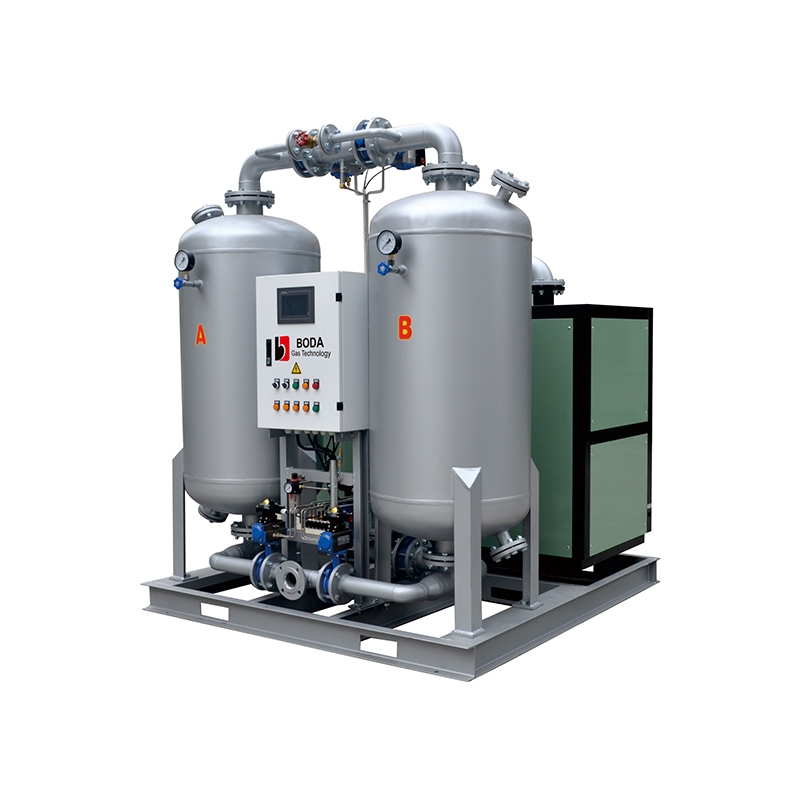
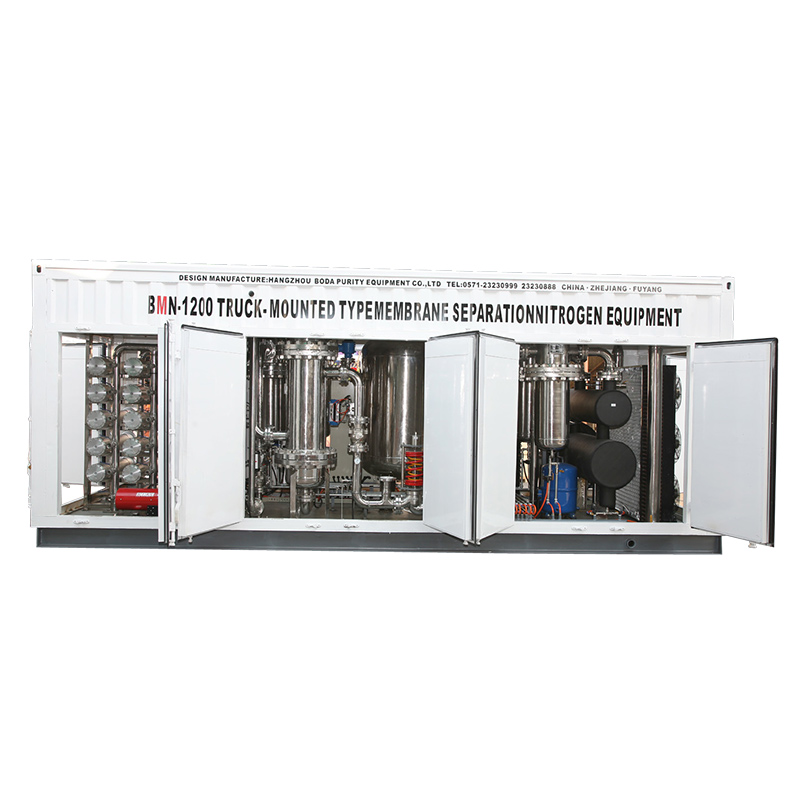
Two technologies dominate on-site nitrogen generation: Pressure Swing Adsorption (PSA) and membrane separation. PSA systems use carbon molecular sieves to adsorb oxygen under pressure, releasing nitrogen typically from 95% to 99.999% purity. Membrane modules rely on selective permeation – smaller oxygen and water molecules pass through the membrane fibres faster than nitrogen, delivering up to 99.5% purity.
Each method suits different purity and flow requirements. PSA works best for high-purity applications (99.9%+), such as laser cutting, electronics soldering, and pharmaceutical inerting. Membrane generators are common in food packaging, tank blanketing, and marine inerting where 95–99.5% purity is sufficient, and lower capital cost is desired.
Key differences:
- Purity range: PSA 95–99.999%; membrane up to 99.5%
- Flow rate: PSA handles low to high flows (1–2000+ Nm³/h); membrane typically lower flows (up to ~500 Nm³/h per module)
- Dew point: PSA produces very dry gas (-40°C to -60°C); membrane output is not as dry (typically -20°C to -40°C) depending on inlet air quality
- Cost: PSA has a higher initial cost but lower nitrogen cost per Nm³ at high purity; the membrane offers lower upfront cost for moderate purity requirements
For buyers evaluating a BSN PSA nitrogen generator or consulting a nitrogen generator manufacturer, the following table summarises the trade-offs:
| Parameter | PSA | Membrane |
|---|---|---|
| Typical purity | 95% – 99.999% | Up to 99.5% |
| Flow rate capability | 1 – 2000+ Nm³/h | Up to ~500 Nm³/h per module |
| Relative capital cost | Higher | Lower |
| Operating cost per Nm³ | Lower at high purity | Higher at high purity |
Key Factors Influencing On-Site Nitrogen Generator Cost and ROI
The purchase price of an on-site nitrogen generator depends primarily on purity requirement, flow rate, and technology type, but the real cost question is how much you currently spend on delivered nitrogen. A system sized to replace a high-volume cylinder or liquid supply often pays for itself within 1–3 years.
Key cost drivers include:
- Purity requirement – Higher purity (above 99.5%) typically demands PSA technology with additional carbon molecular sieve (CMS) beds, raising capital expenditure. Membrane systems are cheaper at lower purity thresholds.
- Flow rate and system size – Larger compressors and air-treatment packages scale with output. Oversizing adds unnecessary capital; undersizing leads to shortfalls.
- Installation complexity – Costs for electrical supply, compressed air piping, ventilation, and floor space vary by site. A dedicated compressor room adds expense.
- Maintenance and consumables – Compressor oil, filters, and desiccant air dryers require regular replacement. CMS typically lasts 5–8 years before replacement, a significant long-term cost.
- Energy consumption – Compressed air input is the largest operating cost. An energy-efficient compressor paired with a well-designed generator reduces per-Nm³ cost.
Comparing total cost of ownership against delivered gas requires factoring in cylinder rental, delivery charges, and price per unit. For continuous, high-volume users, on-site generation typically delivers a 30–50% reduction in nitrogen cost, with the exact payback period depending on your local electricity tariff and usage pattern. Evaluate all these factors together before selecting a system.
Common Applications and Industries Benefiting from On-Site Nitrogen Generation
On-site nitrogen generators serve a broad range of industries, each with distinct purity and flow requirements. The table below outlines typical specifications and real-world uses across key sectors, along with the operational advantages of generating nitrogen at the point of use.
| Industry | Typical Purity | Flow Rate | Primary Application |
|---|---|---|---|
| Food packaging | 99–99.9% | 10–500 Nm³/h | Modified atmosphere packaging (MAP) extends shelf life by displacing oxygen. |
| Electronics | Up to 99.999% (5.0) | 5–200 Nm³/h | Inert atmosphere for soldering, reflow ovens, and component storage. |
| Oil & gas | 95–99.5% | 50–2000 Nm³/h | Blanketing storage tanks and purging pipelines to prevent explosion risk. |
| Pharmaceuticals | 99.9–99.999% | 5–100 Nm³/h | Inerting reactors and protecting oxygen-sensitive powders during processing. |
| Chemical processing | 95–99.5% | Varies widely | Blanketing and inerting in batch reactions to avoid oxidation or fire. |
| Metal fabrication | 99.995–99.999% | 20–500 Nm³/h | Assist gas for laser cutting improves edge quality and reduces dross. |
| Marine | 95–98% | 10–200 Nm³/h | Inerting fuel tanks and cargo holds to minimise combustible atmosphere. |
| Laboratories (LC-MS) | 99.999% (5.0) | 10–50 L/min | Dry, high-purity nitrogen as nebuliser or drying gas in analytical instruments. |
Across these applications, shifting to on‑site generation delivers three clear operational benefits. Safety improves because high-pressure cylinders are removed from the site, eliminating handling and storage risks. Environmental impact drops sharply: fewer delivery trucks mean lower transport emissions and no cylinder disposal. Reliability increases because supply is on‑demand and independent of third‑party logistics, ensuring consistent gas availability for critical production processes.
Frequently Asked Questions About On-Site Nitrogen Generators
How long do on-site nitrogen generators last?
A well-maintained PSA nitrogen generator operates for 10 to 15 years before major component replacement is needed. A membrane nitrogen generator typically has a shorter lifespan of 5 to 10 years because the membrane fibres degrade. The carbon molecular sieve in PSA units requires replacement every 5 to 8 years depending on feed air quality and duty cycle.
What maintenance do they require?
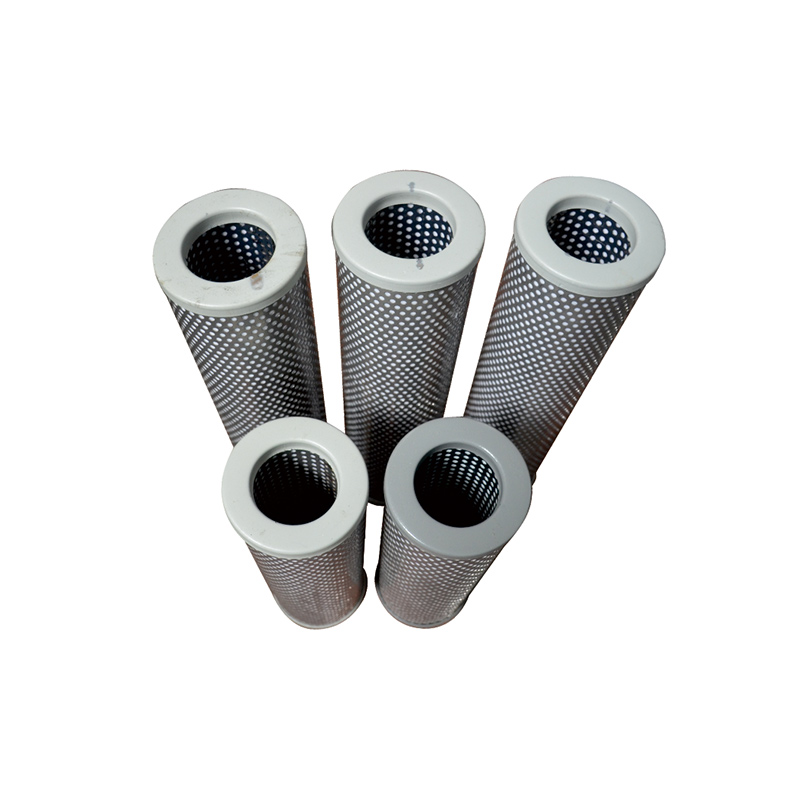
Routine maintenance involves replacing pre-filters and coalescing filters every 6 to 12 months to protect the sieve or membrane from oil and moisture. PSA units need the oxygen analyser calibrated annually. Membrane systems may also require periodic cleaning of the membrane housing if compressed air quality is poor.
Can I rent a nitrogen generator?
Yes, rental on-site nitrogen generators are widely available for temporary projects, plant shutdowns, or trial evaluations before buying. Rental contracts often include full maintenance, monitoring, and technical support. This option lets you test the technology with minimal upfront commitment.
How do I choose between PSA and membrane?
Select PSA if you require purity above 99.5% (up to 99.999%) or variable flow rates. Choose a membrane nitrogen generator for constant-flow applications needing up to 99.5% purity, such as inerting fuel tanks or food packaging. PSA delivers lower cost per cubic metre at high purities but requires more compressed air.
What purity of nitrogen does an on-site generator produce?
PSA generators produce nitrogen from 95% to 99.999% purity, adjustable by altering flow rate. Membrane systems deliver up to 99.5% purity from standard compressed air. Higher purity reduces available flow, so you must size the generator based on both your required purity and volume.
Conclusion
On-site nitrogen generators cut your gas costs, remove cylinder handling risks, and deliver total supply independence. The ideal system for your operation depends on the purity level, required flow rate, and upfront budget.
Pair your generator with quality compressed air purification equipment and a compressed air dryer to protect downstream processes. Over the equipment’s service life, the savings typically outweigh the initial investment. Evaluate your current consumption patterns and consult technical suppliers to match the generator specifications to your real needs.
Contact BODA Gas
- BODA GAS TECH
- HANGZHOU BODA PURITY EQUIPMENT CO., LTD.
- You can find us by follows:
- Lemon Du
- Tel./Whatsapp/Wechat: +86-15755150162
- Email: bodagas2002@gmail.com