Chemical plants face persistent risks from oxygen exposure, moisture, oxidation, unstable gas quality, and interruptions in external nitrogen supply. Inerting reactors, blanketing storage tanks, purging pipelines, and protecting sensitive products all require dependable nitrogen at the correct purity and pressure. Buying delivered cylinders or liquid nitrogen can create logistics costs, storage constraints, vaporization losses, and supply-chain dependence. If nitrogen quality falls below the process requirement, oxidation, contamination, fire risk, or product degradation may follow. These problems become more serious in continuous production, where an interruption can stop an entire process line. An on-site gas solution based on a properly engineered nitrogen plant can provide continuous industrial nitrogen directly where it is consumed.
We are the most professional in this vertical field. For chemical applications, typical PSA nitrogen specifications include 95–99.999% purity, 0.5–1.0 MPa pressure, and customized flow from 10 to 5,000+ Nm³/h, with dew point, oxygen residual, and redundancy designed for each process.
Retailers, importers, wholesalers, and distributors should continue reading to see how real-world chemical applications determine nitrogen purity, flow, pressure, and equipment configuration. The following case-based solutions demonstrate how to achieve a precise match between the nitrogen generation machine and each operating scenario.
Why Use a PSA Nitrogen Generator for Reactor Inerting?
Reactor inerting is one of the most important applications for industrial nitrogen in chemical production. During charging, mixing, heating, and discharge, oxygen entering a reactor can create oxidation, unwanted side reactions, or potentially hazardous atmospheres. A chemical manufacturer may therefore need a continuous supply of nitrogen to replace oxygen and maintain a controlled inert environment.
Consider a batch chemical plant operating several 20–50 m³ reactors. The plant may require nitrogen during initial purging, followed by a lower but continuous flow to maintain pressure. Instead of depending entirely on delivered cylinders or liquid nitrogen, a skid-mounted PSA nitrogen generator can produce on-site gas from compressed air. The system can be connected to a nitrogen buffer tank so that short-term peak demand does not immediately affect the generator.
- Typical nitrogen purity: 99.5–99.999%, depending on oxygen-sensitive chemistry
- Typical operating pressure: 0.6–1.0 MPa
- Typical reactor purge demand: approximately 2–10 reactor volumes, depending on process design
- Recommended buffer capacity: commonly 20–40% of short-term peak demand
- Control method: PLC-based automatic operation with oxygen and pressure monitoring
The key point is to size the nitrogen plant according to both continuous consumption and peak purge demand. An undersized nitrogen gas plant may maintain average consumption but fail during simultaneous reactor purging.
Why Is Nitrogen Purity Critical for Chemical Storage Tank Blanketing?
Storage tanks containing solvents, monomers, fuels, specialty chemicals, and moisture-sensitive raw materials often require nitrogen blanketing. The purpose is to reduce oxygen contact, limit oxidation, control vapor-space conditions, and reduce the possibility of forming combustible mixtures. However, the required nitrogen purity is not identical for every tank.
For example, a solvent storage facility may use 99% nitrogen for general inerting, while a highly oxygen-sensitive chemical may require 99.999% nitrogen. The correct specification should therefore be determined from the chemical’s oxygen sensitivity, flash point, reaction characteristics, storage temperature, and required tank pressure. Selecting an unnecessarily high purity can increase compressed-air consumption and operating costs because PSA nitrogen production generally requires more feed air as purity increases.
- General tank blanketing: approximately 95–99.5% nitrogen
- Oxidation-sensitive chemicals: approximately 99.5–99.99%
- Highly sensitive specialty chemicals: up to 99.999%, subject to process validation
- Typical blanketing pressure: approximately 2–20 kPa(g), depending on tank design
- Pressure control: nitrogen regulator, control valve, pressure transmitter, and relief protection
The practical solution is not simply “the highest purity possible.” It is the lowest validated nitrogen purity that reliably protects the chemical process. This approach allows an on-site gas system to balance safety, product quality, energy consumption, and total cost of ownership.
Why Choose a Skid-Mounted PSA Nitrogen Generator for Chemical Plant Expansion?
Chemical plants frequently expand production capacity without having enough space, time, or budget for major utility infrastructure. In this situation, a skid-mounted PSA nitrogen generator can provide a compact solution that integrates the PSA adsorption system, valves, piping, instrumentation, and controls into a factory-assembled package.
Imagine a specialty chemical manufacturer adding a new production line that requires 300 Nm³/h of nitrogen at 99.9% purity. Extending a centralized nitrogen pipeline from an existing facility may involve significant civil construction and downtime. A skid-mounted configuration can instead be positioned near the point of use, connected to the compressed-air source and nitrogen header, and commissioned with limited site work.
- Design nitrogen capacity: 300 Nm³/h
- Required purity: 99.9% N₂
- Product pressure: 0.7–0.9 MPa
- Feed-air pressure: typically around 0.8–1.0 MPa, depending on system design
- Installation: skid-mounted, factory-piped and instrumented
- Control: automatic PLC operation with alarm and interlock functions
- Optional equipment: air receiver, nitrogen buffer tank, oxygen analyzer, filters, dryer, booster, and remote monitoring
For chemical projects with limited construction windows, the skid-mounted PSA nitrogen generator reduces installation complexity and accelerates deployment. It is particularly suitable for modular production units, temporary capacity expansion, remote process areas, and plants where future relocation is possible.
Why Does Nitrogen Purging Protect Chemical Pipelines?
Pipeline purging is another major application where the correct nitrogen flow rate and pressure are more important than simply purchasing a large nitrogen generator. Before introducing a reactive chemical, flammable solvent, or oxygen-sensitive material, operators may need to remove air from the pipeline. Nitrogen can also be used after maintenance to displace residual oxygen or process gases before equipment is returned to service.
Consider a chemical plant with a 500-meter transfer pipeline connected to multiple vessels. The pipeline volume may be relatively small during normal operation but require a high temporary nitrogen flow during commissioning. A nitrogen plant designed only for the average consumption could create excessive purging time and delay production startup.
- Purity selection: commonly 99–99.999%, based on process sensitivity
- Pipeline purge pressure: commonly 0.2–0.8 MPa(g), subject to engineering requirements
- Peak flow: determined from pipeline volume, required purge cycles, and allowable purge time
- Monitoring: oxygen analyzer at the discharge or representative sampling point
- Storage: nitrogen buffer tank recommended for short-duration high-flow demand
A properly engineered on-site gas system separates base-load consumption from peak purging demand. This can prevent the common mistake of oversizing the nitrogen making machine solely because of occasional high-flow requirements. A buffer tank and appropriate control strategy can often provide a more economical solution.
Why Use High-Purity Nitrogen for Chemical Product Packaging?
Packaging applications are common in specialty chemicals, pharmaceuticals, electronic chemicals, additives, powders, and high-value intermediates. Nitrogen can displace oxygen from the package headspace and help reduce oxidation, moisture exposure, and product degradation. The required purity depends strongly on the chemical properties and shelf-life requirements.
For instance, a specialty powder manufacturer may package a moisture-sensitive product in drums or bags under nitrogen. If ambient air remains trapped inside the package, oxygen and humidity may reduce product stability. A nitrogen gas generator machine can supply a consistent gas stream directly to the packaging line, eliminating dependence on individual cylinders for every production shift.
- Typical purity: 99.5–99.999%
- Typical packaging pressure: low-pressure regulated supply
- Peak demand: often significantly higher than average continuous demand
- Recommended controls: pressure regulator, flow controller, oxygen monitoring where required
- Gas quality: oil-free, dry, filtered nitrogen according to product specifications
For high-value chemicals, nitrogen purity should be validated against actual product stability rather than selected solely from a standard equipment catalogue. The nitrogen plant should also maintain stable pressure during simultaneous packaging-machine operation, especially when multiple lines start and stop rapidly.
Why Is Nitrogen Used for Solvent and Flammable Chemical Inerting?
Flammable solvents and volatile chemicals require particularly careful control of oxygen concentration. Nitrogen inerting can help create an atmosphere in which combustion is less likely, provided that the complete process safety design has established the appropriate oxygen concentration limits. Nitrogen supply reliability is therefore closely connected with plant safety and process continuity.
A representative application is a solvent recovery system operating continuously with several tanks and condensers. During normal production, nitrogen may be consumed for tank blanketing and equipment inerting. During startup or maintenance, purge requirements can increase sharply. A dedicated PSA nitrogen plant can produce the required industrial nitrogen continuously while a receiver provides additional capacity during short-term peaks.
- Typical nitrogen purity: 99–99.999%, based on the validated process safety requirement
- Oxygen concentration target: established through process hazard analysis and engineering calculations
- Operating pressure: commonly 0.5–1.0 MPa before final pressure regulation
- Recommended safety features: oxygen analyzer, pressure alarms, automatic shutdown, relief devices, and redundant instrumentation
- Recommended configuration: duty/standby or modular PSA trains for critical production
Safety-critical inerting should never be based on a generic nitrogen purity assumption. The required oxygen concentration, nitrogen flow, purge methodology, and emergency backup must be determined by qualified process-safety engineers. The PSA system should then be engineered to reliably meet those requirements.
Why Are Nitrogen Generators Valuable for Chemical Drying and Moisture Control?
Moisture can negatively affect many chemical reactions, catalysts, powders, intermediates, and finished products. In some processes, even trace water can alter reaction kinetics, promote hydrolysis, cause corrosion, or reduce product stability. Nitrogen generated from atmospheric air therefore needs appropriate purification and drying before it enters moisture-sensitive processes.
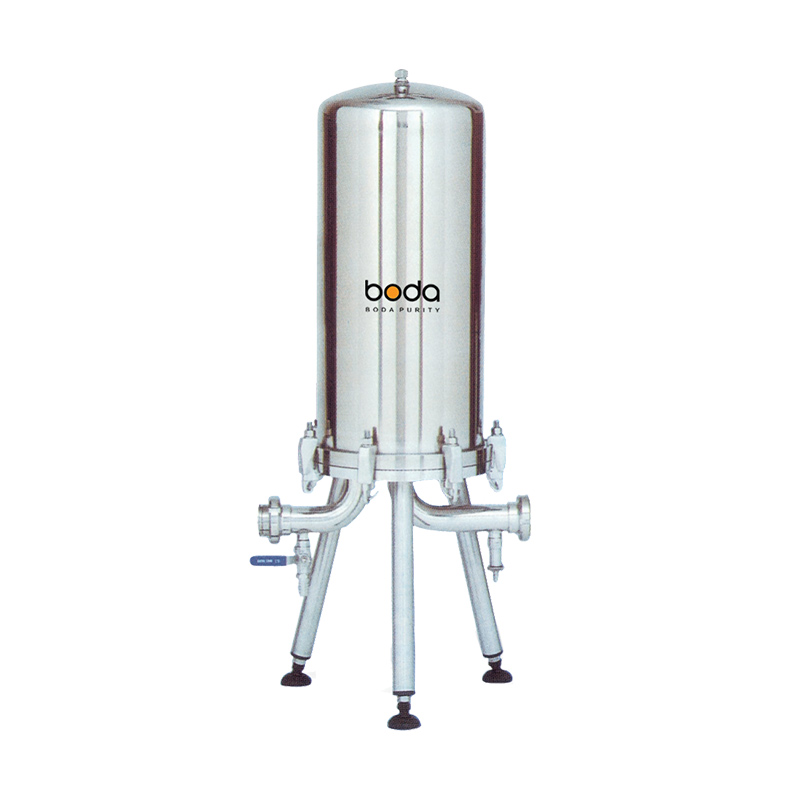
For a chemical manufacturer producing a moisture-sensitive intermediate, a PSA nitrogen generator may be combined with compressed-air pretreatment, refrigerated or desiccant drying, coalescing filtration, activated-carbon filtration where appropriate, and a nitrogen buffer vessel. The objective is to prevent liquid water, oil aerosols, and other contaminants from reaching the molecular sieve or final process.
- Nitrogen purity: commonly 99.9–99.999%
- Feed-air dew point: selected according to PSA equipment requirements
- Product nitrogen dew point: commonly specified between approximately -20°C and -60°C or lower for specialized processes
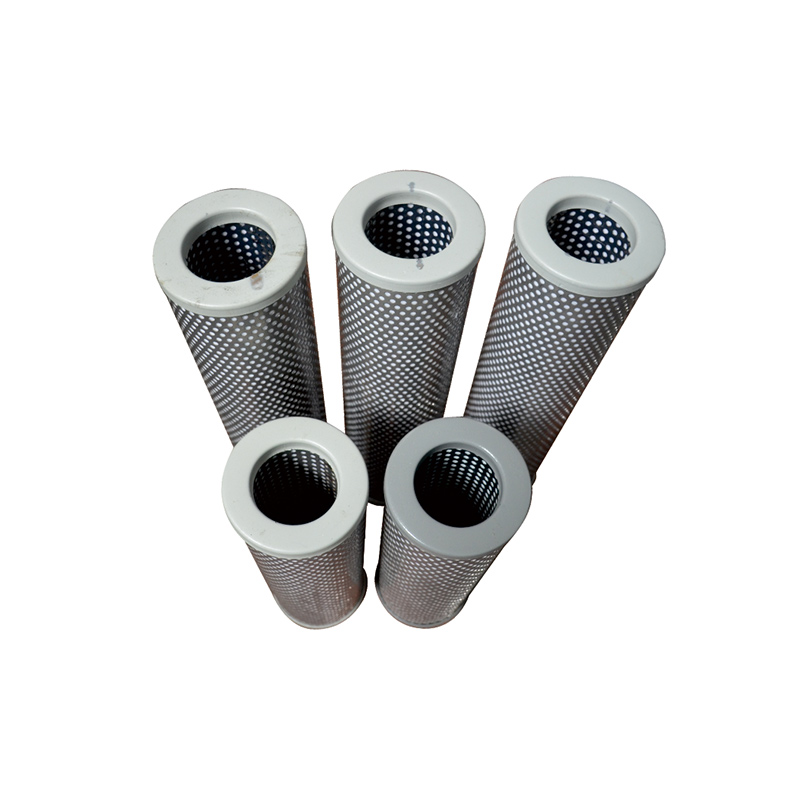
- Filtration: particulate, coalescing, and activated-carbon stages as required
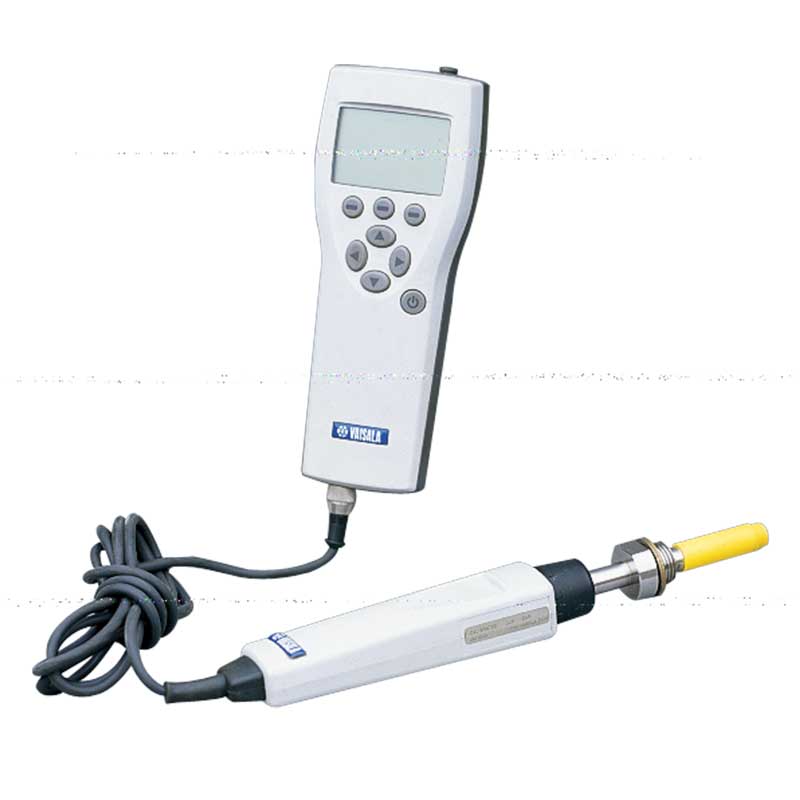
- Monitoring: dew-point transmitter and nitrogen purity analyzer for critical applications
The nitrogen generator should be treated as part of an integrated gas-treatment system, not as an isolated machine. Poor compressed-air quality can shorten molecular-sieve life, increase maintenance requirements, and compromise nitrogen quality. Proper air treatment is therefore essential to long-term chemical-industry performance.
How Should Nitrogen Purity Be Selected for Different Chemical Applications?
Purity is one of the most important purchasing parameters, but it should always be evaluated together with flow, pressure, dew point, operating hours, and peak demand. PSA technology can produce a broad range of nitrogen purities, but increasing purity generally requires additional feed air and may reduce nitrogen recovery. Therefore, specifying 99.999% nitrogen for every application can unnecessarily increase the total operating cost.
| Application Scenario | Typical Purity Range | Typical Pressure | Primary Requirement | Recommended Configuration |
|---|---|---|---|---|
| General tank blanketing | 95–99.5% | 0.2–0.8 MPa | Oxygen displacement | Standard PSA nitrogen plant |
| Reactor inerting | 99.5–99.999% | 0.5–1.0 MPa | Stable purity and pressure | PSA + buffer tank + analyzer |
| Pipeline purging | 99–99.999% | 0.2–0.8 MPa | High peak flow | PSA + large nitrogen receiver |
| Solvent inerting | 99–99.999% | 0.5–1.0 MPa | Validated oxygen limit | Redundant PSA + monitoring |
| Specialty chemical packaging | 99.5–99.999% | Regulated low pressure | Product stability | PSA + buffer + flow control |
| Moisture-sensitive process | 99.9–99.999% | 0.5–1.0 MPa | Purity and low dew point | PSA + advanced air treatment |
This comparison illustrates why chemical buyers should avoid selecting a nitrogen generator machine solely by its nominal purity. A professional supplier first identifies the actual process requirement and then determines the most economical nitrogen plant configuration.
Why Combine a PSA Nitrogen Generator with an Air Compressor and Air Treatment System?
A PSA system depends on compressed air, so the air compressor is one of the most important components in the complete on-site gas solution. In many nitrogen-generation systems, the compressor can account for the majority of total energy consumption. Consequently, an inefficient compressor can significantly increase the lifecycle cost of industrial nitrogen.
For a chemical factory requiring 1,000 Nm³/h of nitrogen, the engineering team should evaluate the nitrogen purity, required feed-air flow, compressor efficiency, operating pressure, cooling method, and annual operating hours together. The compressed air should also be adequately dried and filtered before entering the PSA unit.
- Compressor type: oil-injected screw, oil-free screw, or other suitable technology
- Typical discharge pressure: approximately 0.8–1.0 MPa
- Air receiver: sized to stabilize compressor loading and PSA demand
- Dryer: refrigerated or desiccant type according to process requirements
- Filtration: particulate, coalescing, and oil-removal stages as required
- Energy management: variable-speed compressor and automatic load/unload control where appropriate
For chemical plants operating thousands of hours annually, optimizing the compressor and pretreatment system can be as important as optimizing the PSA adsorber itself. This integrated approach improves reliability, nitrogen purity, molecular-sieve service life, and total cost of ownership.
Why Is a Buffer Tank Important in a Chemical Nitrogen Plant?
Chemical processes rarely consume nitrogen at a perfectly constant rate. Reactor purging, tank breathing, packaging, pipeline cleaning, and emergency inerting can create sudden changes in demand. A nitrogen buffer tank acts as a temporary reservoir that absorbs these fluctuations and helps maintain stable downstream pressure.
For example, a plant may continuously consume 500 Nm³/h but occasionally require 1,000 Nm³/h for several minutes during reactor purging. Designing the PSA unit entirely around the 1,000 Nm³/h peak could increase equipment size and capital expenditure. A suitably sized nitrogen receiver can provide part of the short-term peak flow while the PSA continues producing at its normal operating rate.
- Normal demand: 500 Nm³/h
- Short-term peak demand: 1,000 Nm³/h
- Typical buffer objective: absorb short-duration demand fluctuations
- Design considerations: pressure range, peak duration, usable volume, safety margin
- Instrumentation: pressure transmitter, pressure switch, safety valve, and drain arrangement
Buffer capacity should be calculated from actual demand profiles rather than selected as an arbitrary percentage. Historical nitrogen consumption data, batch cycles, startup procedures, and emergency requirements should all be included in the calculation.
Why Select a Skid-Mounted PSA Nitrogen Generator for Remote or Modular Chemical Facilities?
Some chemical production facilities operate in remote industrial zones, temporary processing sites, or modular plants where conventional utility infrastructure is difficult to install. In these environments, a skid-mounted PSA nitrogen generator can simplify transportation, installation, commissioning, and future relocation.
A typical modular system can integrate the nitrogen generator, valves, piping, control cabinet, filters, buffer tank, and oxygen analyzer on a compact skid. The package can be factory-tested before shipment, reducing site installation work. This configuration is also useful for overseas chemical projects because equipment can be engineered around standardized international electrical, instrumentation, and mechanical requirements.
- Configuration: skid-mounted package
- Capacity: commonly 20–2,000+ Nm³/h per module
- Purity: approximately 95–99.999%
- Control: PLC with touchscreen HMI
- Optional remote monitoring: pressure, purity, flow, dew point, alarms
- Installation: reduced civil-work requirement compared with conventional plant construction
For export projects and rapidly deployable chemical facilities, a skid-mounted PSA nitrogen generator offers a practical combination of mobility, standardization, and on-site gas production. The final design should still comply with the destination country’s electrical, pressure-vessel, safety, and industrial standards.
Why Should Chemical Buyers Evaluate Total Cost of Ownership Instead of Purchase Price?
The purchase price of a nitrogen generator is only one part of the investment. For chemical plants operating continuously, electricity, maintenance, molecular-sieve replacement, compressed-air treatment, spare parts, downtime, and nitrogen availability can have a greater financial impact over the equipment’s service life.
Suppose two nitrogen generators have similar purchase prices, but one requires substantially more feed air to produce the same nitrogen output and purity. Over several years of continuous operation, the difference in compressor electricity consumption may exceed the initial equipment-price difference. Likewise, poor filtration can shorten molecular-sieve life and increase maintenance costs.
- Initial equipment cost
- Compressor power consumption
- Annual operating hours
- Required nitrogen purity and recovery rate
- Maintenance frequency and spare-parts availability
- Molecular-sieve service life
- Backup nitrogen requirements
- Remote monitoring and automation requirements
- Expected production downtime caused by gas-supply interruptions
The best nitrogen plant is therefore not necessarily the one with the lowest quotation; it is the one that delivers the required nitrogen quality and availability at the lowest sustainable lifecycle cost. Buyers should request a complete technical and commercial comparison before finalizing procurement.
Why Is Customized Engineering Essential for Chemical Industry Nitrogen Generation?
Chemical applications vary considerably in terms of gas purity, pressure, flow, operating schedule, hazard classification, temperature, humidity, and demand fluctuations. A standard nitrogen generator may provide the required gas quality, but it may not provide the best overall solution for a particular chemical process.
A professional application engineer should therefore review the complete operating scenario before selecting the equipment. Important information includes the chemical process, nitrogen consumption profile, peak demand, required purity, inlet air conditions, installation environment, available utilities, operating hours, control philosophy, and backup strategy.
- Required nitrogen flow: Nm³/h
- Required purity: % N₂ or maximum O₂ concentration
- Required product pressure: MPa(g)
- Required dew point: °C
- Daily and annual operating hours
- Peak nitrogen demand and duration
- Ambient temperature and installation altitude
- Electrical supply: voltage, frequency, and phase
- Control requirements: local, PLC, DCS, or remote monitoring
- Required redundancy: N+1, duty/standby, or modular configuration
This scenario-based engineering approach ensures that the nitrogen generator machine, compressor, air-treatment equipment, buffer storage, instrumentation, and control system work as one integrated nitrogen plant. It also gives importers, distributors, and industrial end users a clearer basis for evaluating competing technical proposals.
How Does a Typical Chemical-Industry PSA Nitrogen Solution Work?
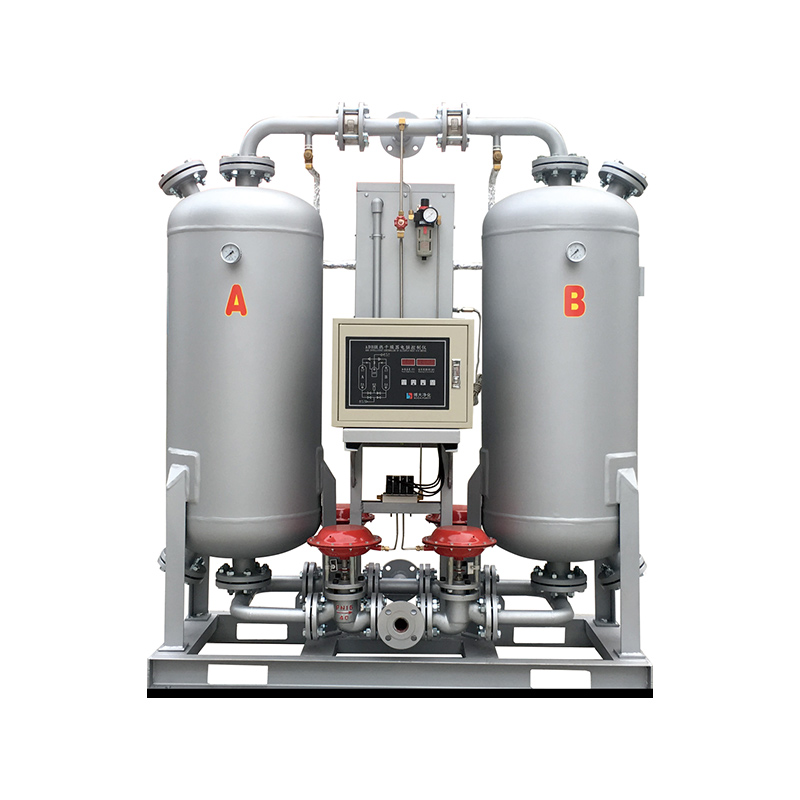
A complete on-site gas solution normally begins with ambient air entering the compressor. After cooling and air treatment, compressed air passes through filtration and drying equipment before entering the PSA adsorption system. Carbon molecular sieve selectively adsorbs oxygen and allows nitrogen to pass as the product gas. Two or more adsorption towers alternate between adsorption and regeneration to provide continuous industrial nitrogen.
The generated nitrogen then enters a buffer tank, where pressure fluctuations are reduced. Depending on the application, the gas passes through additional filtration, pressure regulation, oxygen analysis, flow measurement, or a nitrogen booster before reaching the process header.
- Step 1: Ambient-air intake
- Step 2: Compressed-air generation
- Step 3: Cooling, separation, drying, and filtration
- Step 4: PSA adsorption and oxygen removal
- Step 5: Nitrogen buffering and pressure stabilization
- Step 6: Purity and flow monitoring
- Step 7: Pressure regulation or boosting
- Step 8: Delivery to reactors, tanks, pipelines, packaging lines, or other users
Because the entire process occurs at the chemical facility, the system can substantially reduce dependence on delivered gas logistics. With suitable engineering, an on-site gas nitrogen plant can provide a stable supply while allowing the operator to adjust production according to actual process demand.
Conclusion: How Can Chemical Plants Build a Reliable On-Site Nitrogen Supply?
PSA nitrogen generation can support reactor inerting, tank blanketing, pipeline purging, solvent protection, packaging, and moisture-sensitive processes. The right purity, flow, pressure, air treatment, storage, and redundancy must be engineered for each scenario. Contact us with your process requirements to develop a customized nitrogen generator machine and on-site gas solution.