What should buyers compare in a PSA oxygen filling station for on-site cylinder refilling?
If you need oxygen cylinders filled on-site, a PSA Oxygen filling station reduces dependence on delivered gas and keeps refilling under your control. That matters in plants that use cylinders daily, where a delayed delivery can stop work for hours. Buyers usually compare fill pressure, cylinder volume, and footprint before choosing one setup over another.
The term refers to a system that transfers oxygen into cylinders under controlled pressure. It usually includes fill controls, connections, and pressure management hardware so that you can fill safely and repeatedly. From there, buyers compare standalone units, packaged systems, and larger cascade arrangements, much like they would compare a PSA nitrogen generator against a BXN PSA nitrogen generation package for different output needs.
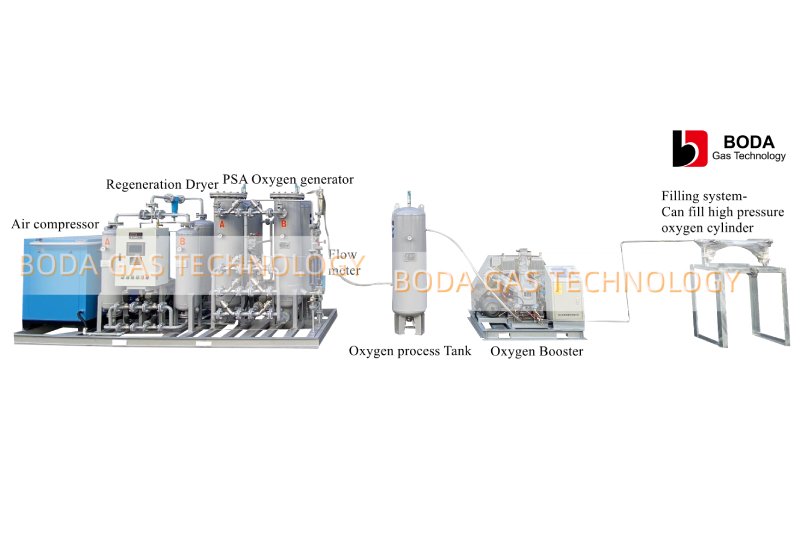
PSA Oxygen filling station products and turnkey cylinder refilling systems
A PSA Oxygen filling station is usually sold as a product family rather than a single box. Supplier pages commonly group it with fill Air compressor, air tank, dryers, oxygen generator, oxygen buffer tank, oxygen booster, filling machine, panels, manifolds, high-pressure hoses, and cylinder connection parts.
That package framing matters. A standalone component suits buyers who already have part of the setup, while a turnkey cylinder refilling system suits sites that want a defined fill path from source to cylinder. In practice, the commercial split mirrors how buyers compare a BXN PSA oxygen generator against a packaged system from an oxygen generator manufacturer: one option is component-led, the other is supplied as a coordinated set.
Typical commercial inclusions are easy to spot on product pages:
- Fill station or fill panel for controlling the transfer point
- Cylinder manifold for linking multiple cylinders or banks
- Pressure regulators and gauges for monitoring fill pressure
- Isolation valves and check valves to control flow direction
- Hoses, adaptors, and connectors matched to the cylinder interface
- Frame, skid, or cabinet for mounting and protection
- Control panel or emergency shut-off on larger systems
Packaged systems are often framed as “kit”, “package”, or “turnkey” because they reduce integration work. You get the main hardware together, with the connections and operating sequence already matched. Standalone units suit plants that only need one replacement part, one extra fill point, or a custom build around existing piping.
For industrial use, the right format depends on the project scope:
- Standalone components fit maintenance upgrades and partial retrofits
- Kit-style packages fit small depots, labs, and pilot-scale refilling
- Turnkey systems fit repeated cylinder filling, multi-user sites, and distributor-style operations
You also see product pages organised by fill method or duty level. Some listings focus on a single filling station head. Others sell a complete refilling skid for faster installation and a clearer procurement scope. That difference helps you compare like with like before you move to pressure, capacity, and installation planning.
How on-site oxygen cylinder refilling works
An oxygen filling station moves gas from a source into cylinders under controlled pressure. The workflow is simple on paper, but each step protects fill quality and operator safety.
This setup matters because you refill on your own schedule. A facility that uses a PSA oxygen generator or delivered bulk oxygen can fill cylinders without waiting for an outside truck, which cuts idle time between top-ups.
- Connect the source and cylinder bank. The oxygen line feeds the station manifold, and the empty cylinder connects through a rated hose or filling whip.
- Open the fill path in sequence. Valves route gas from the source to the cylinder, usually through pressure gauges or a regulator, so the inlet does not rise too fast.
- Control the pressure transfer. Fill rate is managed by valve position, line pressure, and cylinder temperature. If pressure climbs too quickly, the operator slows the fill to avoid heat build-up.
- Stop at the target pressure. The cylinder is isolated once the set pressure is reached, and then the line is vented or depressurised as the system design requires.
- Disconnect and confirm. The operator checks the gauge reading, closes valves, and removes the cylinder for storage or use.
The logic is practical. You reduce dependence on repeated cylinder deliveries, and you keep refill timing inside the plant’s own schedule. That matters in facilities that already manage gases in-house, much like an on-site nitrogen generator does for nitrogen supply.
A simple step-by-step diagram helps here. So does a labelled fill-line graphic showing the source, valve sequence, pressure gauge, and shutdown point.
Capacity, pressure, and high-pressure cascade configurations
An Oxygen filling station is sized by two numbers: first, fill pressure and delivery rate. If either is too low, you wait longer between cylinders and lose throughput during busy shifts.
Most buyers compare systems in the 150 to 200 bar range for standard cylinder refilling, while higher-pressure service is used where faster top-ups or tighter storage recovery matter. That changes operation in a practical way: gauges and regulators must hold steadier control, and cylinder temperature rise becomes more important during repeated fills.
A cascade arrangement helps because it stages gas from multiple banks instead of draining one source in a single step. With three banks, you can fill one cylinder from the highest bank first, then switch to the next two, which reduces pressure drop and keeps more usable pressure available for the next fills. That matters most where you refill several cylinders per hour, not just one or two.
Typical sizing choices look like this:
- Small configuration: 1-2 cylinders at a time, lower flow, suited to light maintenance use or backup supply.
- Medium configuration: moderate bank volume and faster transfer, suitable for workshops, labs, and smaller plant rooms.
- Large cascade configuration: multiple storage banks, higher transfer rate, and repeated fills for higher daily demand.
If your source is a PSA plant such as BXO PSA oxygen generation, you usually size the filling station around the generator’s output pressure, then confirm the buffer volume can support each cylinder cycle without a sharp pressure dip. An oxygen generator manufacturer will normally ask for cylinder volume, target fill pressure, and fills per day before specifying the bank split.
You should expect larger configurations where cylinders are filled repeatedly, one shift after another, or where multiple users draw from the same station. Smaller setups suit intermittent use, single-department refills, or backup applications where fill speed is less critical.
Commercial and home oxygen refilling systems are not the same purchase
A Oxygen filling station for a home setup and one for a plant floor solve different problems. One is usually built for occasional, low-volume refills; the other must support repeated cylinder handling, tighter control, and clearer safety procedures.
The term covers a refill system that transfers oxygen into cylinders under controlled pressure. In practical terms, buyers compare it by output rate, cylinder size range, controls, and how much space the equipment needs around the fill point.
| Buyer need | Home-focused refill setup | Commercial or industrial filling station |
|---|---|---|
| Capacity | Small, single-cylinder or light-duty refills | Repeated fills across multiple cylinders or banks |
| Duty cycle | Intermittent use, often a few fills at a time | Longer shifts and higher repetition |
| Controls | Basic pressure control and manual checks | More detailed gauges, valves, and fill sequencing |
| Footprint | Compact, often bench or wall-oriented | Larger frame, skid, or packaged installation |
| Environment | Private or low-risk use | Regulated industrial settings with documented procedures |
The difference shows up fast in operation. A home-style setup may suit a small membrane oxygen generator paired with light refilling tasks, while a commercial system is usually specified around cylinder banks, isolation valves, and fill control that can handle more cycles without constant adjustment.
You should also expect different housekeeping demands. Industrial equipment needs clearer access for inspection, safer segregation of oxygen-compatible parts, and enough room for operators to connect, vent, and verify fills without crowding the area.
For buyers, the simplest rule is this: if the station must support repeat fills, multiple users, or site-controlled gas supply, it belongs in the commercial category. If it only serves occasional personal or backup use, smaller equipment is usually easier to place and manage.
What buyers should verify before specifying an oxygen filling station
A well-specified oxygen filling station starts with the cylinder you plan to fill, not the frame or pump size. If the cylinder valve, fill pressure, or connection type is wrong, the station becomes an awkward fit from day one.
Buyers should confirm seven points before release for engineering. That keeps the package aligned with the gas source, the operator workflow, and the downstream use point.
- Cylinder size compatibility: verify the station matches the cylinder volumes you actually use, such as 10 L, 40 L, or 50 L units. If your site handles mixed sizes, the fill heads, restraints, and manifold spacing must suit the largest and smallest cylinders in the group.
- Source gas arrangement: confirm whether the feed comes from bulk storage, a cylinder bank, or another gas-generation step. If the source pressure varies, the station needs control hardware that can still deliver a stable fill sequence.
- Pressure rating: match the equipment to the cylinder working pressure, such as 150 bar or 200 bar service. A station built for lower pressure cannot be treated as a simple upgrade path.
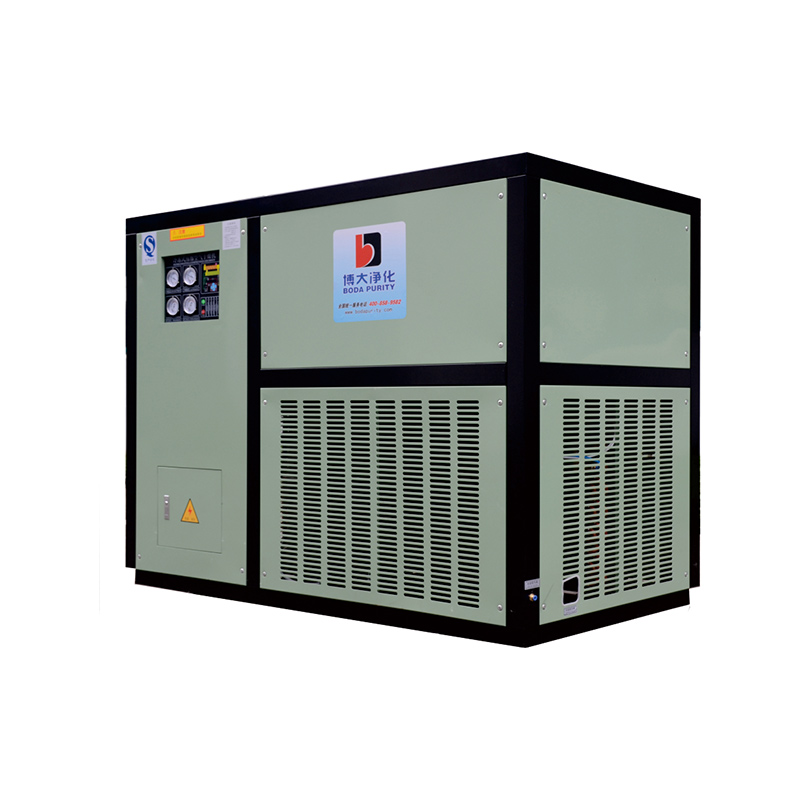
- Space and utilities: check floor area, aisle width, power supply, ventilation, and any need for supporting equipment such as a compressed air dryer or other compressed air purification equipment if the station depends on clean instrument air. A tight room can slow loading, inspection, and hose routing.
- Operator workflow: confirm how many cylinders one operator handles per shift, where connections are made, and whether gauges, valves, and isolators are readable at arm’s length. A layout that saves 30 seconds per fill matters over 40 or 50 fills.
- Maintenance access: leave room for valve service, hose change-out, leak testing, and gauge replacement. If a technician cannot reach the back side of the skid, routine checks take longer and often get deferred.
- Downstream application fit: align the fill specification with the end use, whether that is medical backup, lab supply, or process gas distribution. A station sized for occasional laboratory cylinders will not suit repeated plant demand.
For RFQ review, ask for these inputs in writing:
- Oxygen flow rate: —Nm³/h.
- Oxygen purity:—%
- Oxygen outlet pressure:—bar
- Application:—
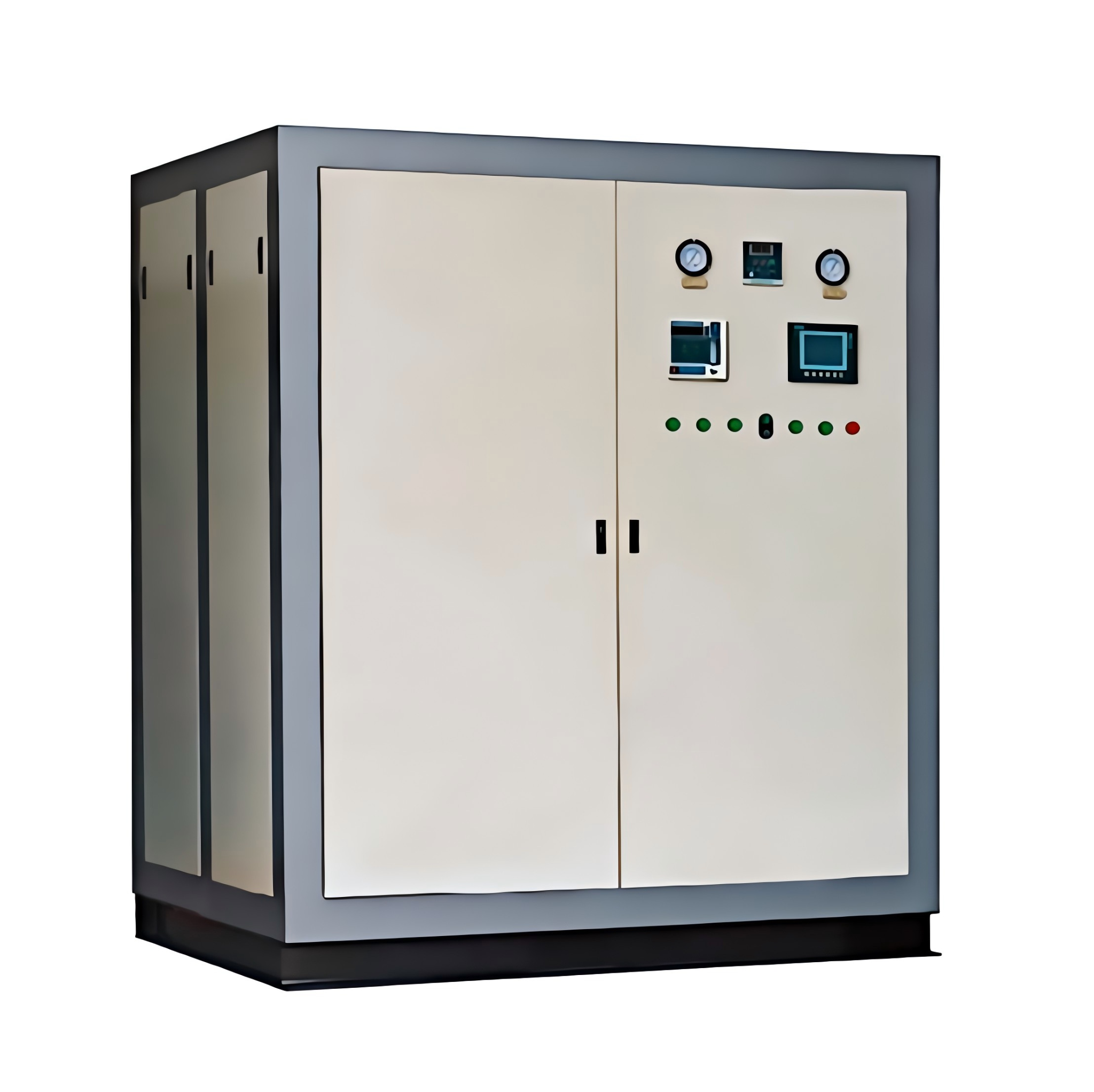
- Supply scope: Whole PSA nitrogen/Oxygen generator system including: Air compressor, tanks, dryers, multiple filters, PSA nitrogen/Oxygen generator-buffer tank, oxygen storage tank, oxygen booster
Will our scope of supply include all the above-mentioned components?
That checklist gives procurement and engineering one shared brief. It also reduces rework after layout freeze.
Project support from BODA Gas
For an oxygen filling station project, share gas use, target purity, flow rate, pressure, dew point, operating environment, safety requirements, installation format, and service expectations so BODA Gas can confirm the right solution and prepare a practical quote.
For RFQ details, samples, packaging, or custom service options, confirm the exact model fit with us before ordering.