Fish farms face sharp dissolved oxygen swings from stocking density, feeding peaks, warm water, and overnight respiration. A 2 mg/L drop can be enough to trigger stress, slower feeding, and higher mortality risk in sensitive species. How PSA Oxygen Generator Benefits Aquaculture and Fish Farming starts with a simple idea: it gives you oxygen on site, so supply stays available through the day and night instead of depending on delayed deliveries.
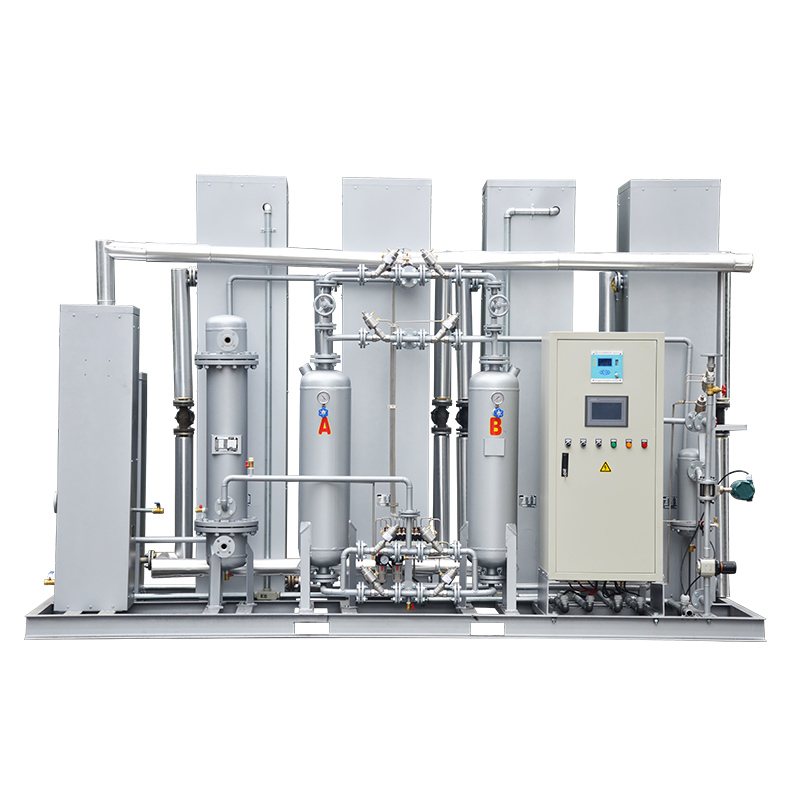
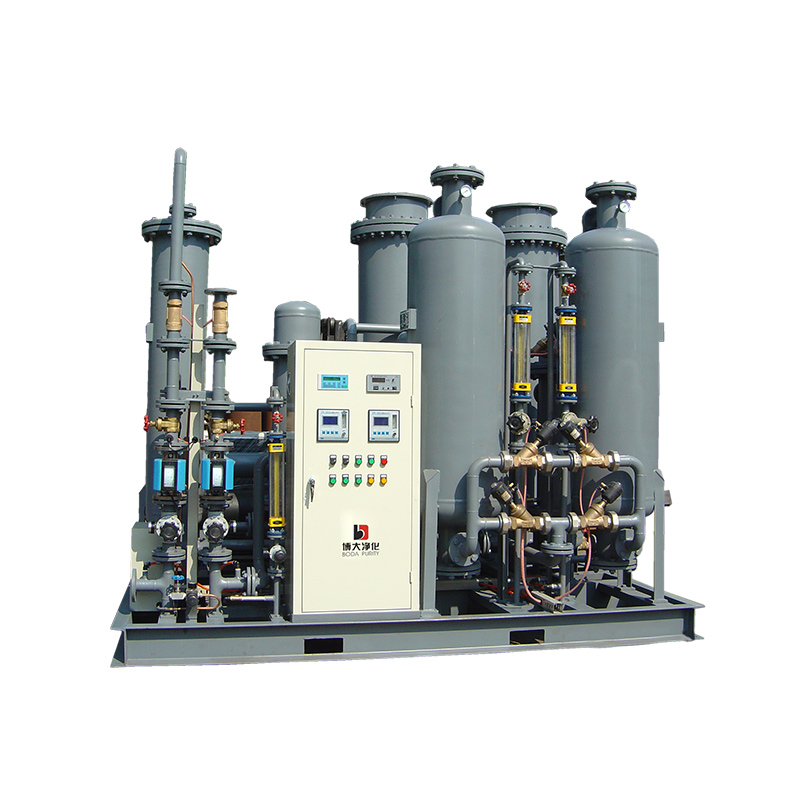
The term PSA oxygen generator refers to a system that separates oxygen from compressed air using pressure swing adsorption. The result is a continuous oxygen source for ponds, tanks, and recirculating systems, which helps you maintain steadier dissolved oxygen levels across changing farm conditions.
Why on-site oxygen generation matters for aquaculture oxygen control
On-site oxygen generation gives you a steadier supply than scheduled deliveries. That matters most during feeding peaks, warm weather, grading, and night-time respiration, when dissolved oxygen can drop by several milligrams per litre in a short window.
For ponds, tanks, and recirculating systems, the main benefit is control. You reduce the risk of supply interruptions, avoid storage pressure on site, and keep oxygen available for 24/7 use rather than waiting for a refill cycle.
Operational benefits you can plan around:
- Stable dissolved oxygen control during high biomass periods, so oxygen input tracks demand instead of delivery timing.
- Fewer supply interruptions because gas is generated on site, which removes dependence on truck schedules and cylinder swaps.
- Better peak-demand response during feeding, transfer, or crowding events, when fish and shrimp consume more oxygen in a narrow time band.
- More consistent performance across ponds, tanks, and RAS units, where oxygen needs can differ by density, depth, and water exchange rate.
- Cleaner logistics for remote farms, since you are not storing multiple cylinders or managing frequent replenishment runs.
For buyers comparing supply models, the appeal is simple: you gain a continuous source of oxygen with fewer moving parts in the supply chain. That is why many project teams treat a PSA system as an operating control tool rather than a backup item, much like they would specify a PSA oxygen generator for process continuity in another gas-dependent site.
That control focus carries into the next stage of selection, where oxygen availability starts to influence feed conversion, survival, and stocking stability.
Fish health, growth, and survival gains from higher dissolved oxygen
Higher dissolved oxygen supports faster feeding, steadier growth, and lower losses. In How PSA Oxygen Generator Benefits Aquaculture and Fish Farming, the practical gain is simple: fish and shrimp stay active enough to eat, convert feed better, and tolerate stocking density with less stress.
When oxygen falls, appetite usually drops first. That slows growth, increases feed waste, and leaves animals more exposed to disease pressure. In ponds and tanks, even a short oxygen dip can turn into a heavier mortality event if biomass is already high.
- Better appetite and feed conversion: well-oxygenated fish feed more consistently, which helps you turn each kilogram of feed into more harvestable biomass.
- Lower stress: stable oxygen reduces surface gasping, erratic swimming, and crowding at inlets or diffusers.
- Stronger survival rates: higher oxygen availability helps you keep more stock alive through warm nights, feeding peaks, and transport recovery.
- Better stocking performance: you can hold denser populations with less performance loss, provided aeration and water quality are managed together.
- Less disease susceptibility: stressed fish and shrimp often lose resistance first, so oxygen stability helps reduce the conditions that trigger secondary problems.
The result is measurable at the farm level. A system that keeps dissolved oxygen closer to target during the day and night can improve uniformity across growth batches, reduce emergency interventions, and protect production plans tied to a fixed harvest window.
For shrimp and finfish alike, oxygen is not only a survival input. It also shapes how confidently you can stock, feed, and grow without stretching the farm beyond its carrying capacity. That is why buyers comparing a PSA oxygen generator with other supply options usually start with survival risk before they look at cost.
PSA oxygen generator vs oxygen tanks and liquid oxygen in fish farming
For most farms, how PSA oxygen generators benefit aquaculture and Fish Farming comes down to one practical issue: supply continuity. On-site generation gives you oxygen on demand, while tanks and liquid oxygen depend on deliveries, storage, and refill timing. That difference matters most at night, during peak feeding, and in remote sites where a missed truck can leave you short.
Here is the commercial trade-off in plain terms:
| Supply model | Continuity | Logistics | Storage complexity | Cost drivers | Fit for remote or high-use sites |
|---|---|---|---|---|---|
| PSA oxygen generator | Produces oxygen on site, so supply is tied to power and system uptime | No routine cylinder or tanker deliveries | Low-pressure buffer storage only | Electricity, maintenance, air treatment | Strong fit for remote farms and steady, high daily demand |
| Oxygen tanks | Good until the tank is empty, then delivery timing decides availability | Frequent handling, changeover, and refill planning | Cylinder storage, manifold handling, safety checks | Rental, transport, refill frequency | Better for smaller or intermittent use |
| Liquid oxygen | High capacity, but you still depend on bulk deliveries | Tanker access, unloading space, and scheduling | Cryogenic storage, insulation, vaporiser equipment | Delivery frequency, boil-off, storage losses | Suits larger sites with established bulk-gas infrastructure |
For a farm with 24/7 oxygen demand, the PSA route usually removes the weakest point: delivery dependence. Tanks can work well where usage is moderate, but refill intervals shorten fast as biomass rises. Liquid oxygen offers higher bulk capacity than cylinders, but requires cryogenic handling, tanker access, and boil-off management.
Remote ponds, hatcheries, and RAS facilities often prefer on-site generation because one power connection replaces repeated gas logistics. High-consumption sites also benefit from steadier operating cost drivers, since you are buying electricity and maintenance rather than paying for frequent deliveries. If you are comparing supplier options, an oxygen generator manufacturer will usually size the system around daily demand, not around how many cylinders you want to store.
Sizing, integration, and maintenance factors for aquaculture facilities
Sizing starts with oxygen demand, not equipment preference. For “How PSA Oxygen Generator Benefits Aquaculture and Fish Farming,” you need to match the output to biomass, stocking density, water temperature, and growth stage. A 20 kg/m³ tank at harvest needs a different supply profile from a nursery tank at 5 kg/m³, because oxygen draw rises as feeding and activity increase.
Plant teams usually check these points before specifying a system:
- Peak hourly oxygen demand, not only the daily average
- Number of tanks, ponds, or raceways served
- Backup aeration capacity during power loss or compressor fault
- Compatibility with diffusers, cone injectors, or venturi injection
- Electrical supply stability, especially where voltage dips are common
- Footprint for skid, buffer tank, and maintenance access
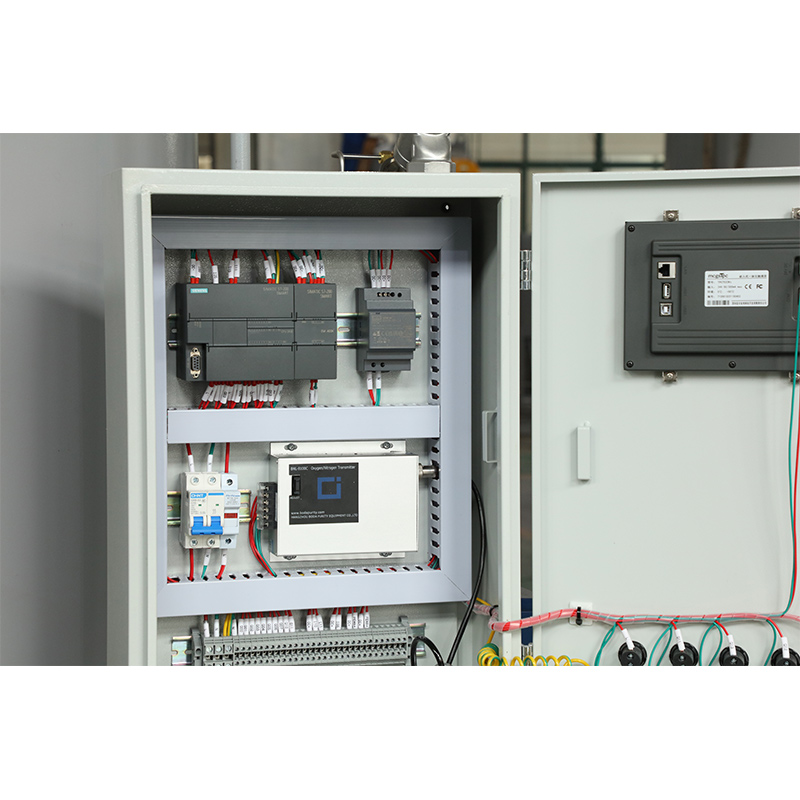
- Service interval for filters, valves, and instrumentation
Integration matters as much as capacity. A membrane oxygen generator or PSA package works best when it connects cleanly to the farm’s diffusers or injection headers, so oxygen reaches the water column where fish actually use it. If the site already uses blowers, you may keep aeration as a 100% backup and let oxygen enrichment handle the peak load.
Routine maintenance is straightforward, but it must be planned. EPCs and plant managers usually check whether filters can be reached in minutes, whether condensate drainage is automatic, and whether spare parts fit the service schedule. On remote sites, a 24-hour inspection round is common because one missed pressure alarm can affect several tanks by the next feeding cycle.
Project support from BODA Gas
For a How PSA Oxygen Generator Benefits Aquaculture and Fish Farming project, share gas use, target purity, flow rate, pressure, dew point, operating environment, safety requirements, installation format, and service expectations so BODA Gas can confirm the right solution and prepare a practical quote.
For RFQ details, samples, packaging, or custom service options, confirm the exact model fit with the sales team before ordering.